서론
The global plush toy industry continues to grow as consumers look for soft, attractive, comfortable, and personalized products. Plush toys are no longer limited to traditional teddy bears and simple stuffed animals. Today, they include cartoon characters, customized mascots, animal dolls, promotional gifts, decorative cushions, collectible toys, and many other creative products. As market demand becomes more diverse, businesses need reliable manufacturing partners that can turn unique ideas into high-quality finished products.
Choosing a professional Plush Toy Manufacturer for Creative Custom Toy Designs is an important decision for brands, wholesalers, retailers, gift companies, and businesses looking to develop their own plush toy collections. A qualified manufacturer can provide more than basic production services. It can help customers transform sketches, reference images, product concepts, and brand requirements into attractive plush toys with suitable materials, accurate shapes, and carefully finished details.
Custom plush toy production requires a combination of creativity, technical knowledge, material selection, sewing skills, and quality management. Every detail can influence the final appearance and performance of a product. Fabric texture, stuffing density, embroidery quality, stitching strength, color matching, and product proportions all contribute to the overall result.
A professional Plush Toy Manufacturer for Creative Custom Toy Designs understands these requirements and provides manufacturing solutions that support different business needs. Whether a customer wants to create a small collection of adorable animal toys or develop thousands of customized promotional plush products, the right manufacturing partner can help make the process more efficient.
This article explores the advantages of working with a professional plush toy manufacturer, the custom production process, material selection, design possibilities, quality control, wholesale opportunities, and important factors businesses should consider before choosing a supplier.
Why Choose a Plush Toy Manufacturer for Creative Custom Toy Designs
Custom products help businesses build recognizable brands and attract customers with distinctive designs. In a competitive toy market, offering the same standard products as every other seller can make it difficult to stand out. Personalized plush toys provide an opportunity to introduce something different.
A Plush Toy Manufacturer for Creative Custom Toy Designs can help businesses develop products that match their brand identity, target audience, and commercial objectives.
Turning Creative Ideas Into Real Products
Many successful plush toys begin with a simple idea. A business may have a character illustration, an animal design, a mascot, or a rough sketch that needs to become a physical product.
However, transforming an illustration into a three-dimensional plush toy requires professional experience. Manufacturers need to consider how different fabric pieces will connect, how the stuffing will influence the shape, and how facial features will look after production.
For example, a customer may provide an illustration of a round cartoon rabbit with long ears, a small nose, and a colorful outfit. The manufacturer must determine the appropriate fabric, develop the pattern, select suitable stuffing, and create a sample that accurately represents the original concept.
An experienced Plush Toy Manufacturer for Creative Custom Toy Designs can help solve these technical challenges while preserving the original creative direction.
Creating Unique Brand Identity
Brand recognition is particularly important for businesses selling toys, gifts, and lifestyle products.
Customized plush toys can incorporate:
- Company logos and brand colors.
- Unique animal or cartoon characters.
- Customized clothing and accessories.
- Special embroidered patterns.
- Personalized labels and packaging.
- Exclusive shapes and product dimensions.
These elements make products more recognizable and help customers associate particular designs with a specific brand.
For example, a children’s entertainment company may develop a plush character based on its cartoon mascot. A hotel may create a customized teddy bear as a promotional gift, while a retail brand may introduce an exclusive animal collection for seasonal sales.
A professional manufacturer can turn these ideas into consistent products suitable for different sales channels.
Supporting Different Business Models
Not every customer has the same manufacturing requirements.
Some businesses need small customized collections, while others require large-volume wholesale production. Some customers already have complete technical drawings, while others need assistance developing their ideas.
A qualified Plush Toy Manufacturer for Creative Custom Toy Designs can support different business models through flexible manufacturing services.
| Customer Type | Main Requirements | Possible Manufacturing Solution |
|---|---|---|
| Toy brands | 독창적인 캐릭터 개발 | Custom plush toy production |
| Wholesalers | Competitive bulk purchasing | Wholesale manufacturing |
| Retail stores | Attractive product collections | Customized product series |
| Gift companies | Personalized promotional products | Logo and design customization |
| Entertainment companies | Character-based merchandise | Licensed character production |
| E-commerce sellers | Distinctive online products | Small collections and custom designs |
This flexibility makes professional manufacturing services valuable for both established companies and new businesses entering the plush toy market.
Custom Plush Toy Design Possibilities
One of the biggest advantages of working with a Plush Toy Manufacturer for Creative Custom Toy Designs is the wide range of products that can be developed.
Modern plush toy manufacturing is not restricted to traditional stuffed animals. Customers can create products in different shapes, sizes, colors, and styles.
Customized Animal Plush Toys
Animal plush toys remain popular across different age groups and consumer markets.
Common designs include:
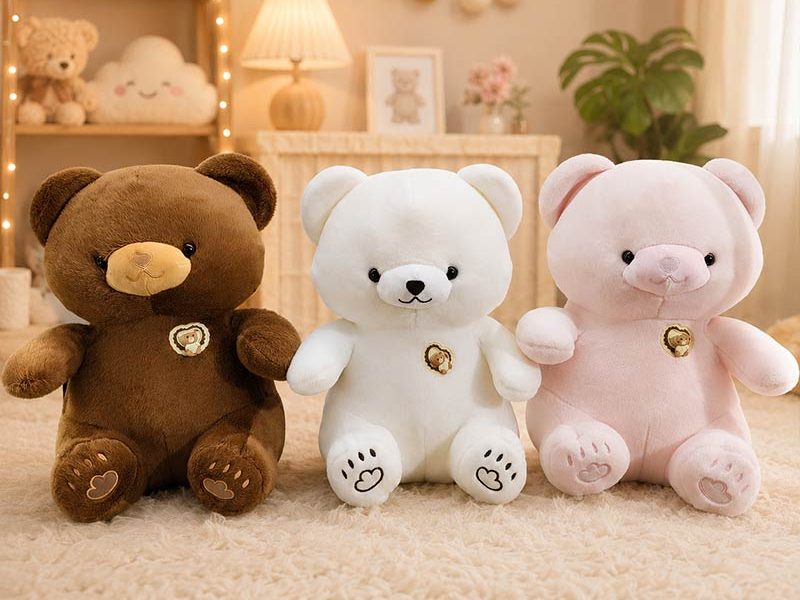
- Teddy bears.
- Rabbits and bunnies.
- Cats and dogs.
- Elephants.
- Lions and tigers.
- Pandas.
- Penguins.
- Foxes and other woodland animals.
- Farm animals.
- Marine animals.
Each animal design has different structural characteristics.
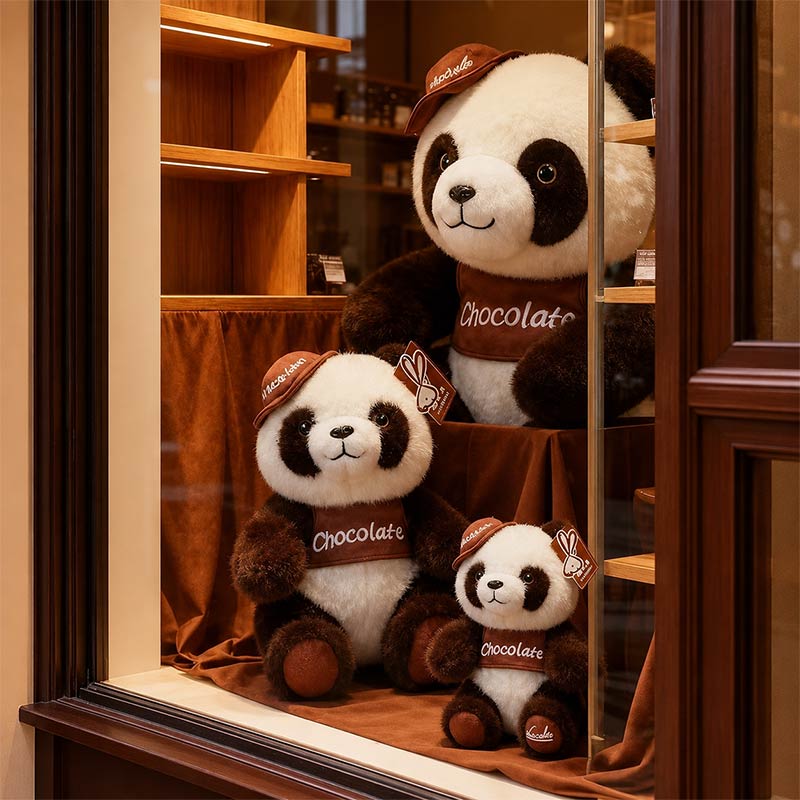
For example, rabbit plush toys often require long ears and carefully balanced proportions. Elephant plush toys need a suitable trunk shape, while panda plush toys require accurate black-and-white color placement.
A professional Plush Toy Manufacturer for Creative Custom Toy Designs can adjust these details to create attractive products while maintaining the recognizable appearance of each animal.
Cartoon and Character Plush Toys
Cartoon plush toys offer considerable creative opportunities.
Businesses can develop characters with oversized heads, expressive faces, colorful clothing, unusual body proportions, and distinctive accessories.
These products are especially useful for:
- Entertainment merchandise.
- Children’s gift collections.
- Character licensing projects.
- Brand promotional campaigns.
- Collectible toy series.
- Theme park merchandise.
Character plush toys often require more detailed sampling because small differences in facial expression or proportions can significantly affect their appearance.
Manufacturers may use embroidery, fabric appliqué, and carefully selected materials to reproduce the original character design.
Customized Mascot Plush Toys
Mascot plush toys are another important category of custom products.
Schools, sports teams, companies, organizations, and entertainment brands often use mascots to represent their identity.
A customized mascot can be developed in different sizes and styles, depending on its intended application.
For example, a company may want a small mascot plush toy for promotional giveaways, while a sports organization may require a larger character toy for retail sales.
A reliable manufacturer can help determine the appropriate construction, fabric, stuffing, and finishing methods.
Decorative and Functional Plush Products
Plush products can also combine decoration with practical functions.
Examples include:
- Plush pillows.
- Animal-shaped cushions.
- Plush keychains.
- Plush backpacks.
- Soft decorative dolls.
- Character cushions.
- Plush slippers.
- Seasonal decorative toys.
These products expand the potential market beyond traditional toy buyers.
A Plush Toy Manufacturer for Creative Custom Toy Designs can help businesses develop collections that combine attractive appearances with practical uses.
Materials Used in Custom Plush Toy Manufacturing
Material selection is one of the most important stages in plush toy production.
The fabric determines the product’s appearance, softness, durability, and overall texture. The stuffing affects its shape, weight, and comfort.
A professional Plush Toy Manufacturer for Creative Custom Toy Designs should understand the characteristics of different materials and recommend appropriate options according to the intended product.
Common Plush Fabrics
Different fabrics create different visual and tactile effects.
| Material | Main Characteristics | Common Applications |
|---|---|---|
| 짧은 플러시 | Smooth and soft surface | Teddy bears and animal toys |
| 긴 플러시 | Fluffy and textured appearance | Rabbits and decorative animals |
| Minky fabric | Soft and comfortable texture | Baby-oriented plush products |
| Velboa | Short pile and flexible construction | Cartoon plush toys |
| Fleece | Warm and soft feel | Seasonal plush products |
| Cotton fabric | Natural textile appearance | Decorative dolls and selected toys |
The final material choice should depend on the product design, target market, expected retail price, and applicable safety requirements.
Choosing the Right Stuffing
Stuffing materials influence the structure and comfort of plush toys.
Polyester fiberfill is widely used because it is lightweight, flexible, and suitable for many different plush toy designs.
Different stuffing densities can produce different results.
For example, a plush pillow may require a softer filling for comfortable use, while a standing animal plush toy may need firmer stuffing to maintain its shape.
Manufacturers should also consider how the filling is distributed throughout the product. Uneven stuffing can create visible bumps, weak areas, or an unbalanced appearance.
Fabric Color and Texture Matching
Color consistency is especially important for custom products.
When a business orders a collection of plush toys, all products should maintain consistent colors and textures.
This is particularly important for branded merchandise because even small color differences may affect brand recognition.
A professional Plush Toy Manufacturer for Creative Custom Toy Designs can use approved fabric samples and production specifications to help maintain consistency.
Customers should confirm important details before mass production, including:
- Main fabric color.
- Secondary fabric colors.
- Fabric pile length.
- Surface texture.
- Embroidery thread colors.
- Accessory materials.
- Stuffing characteristics.
Clear material specifications help reduce misunderstandings during production.
The Custom Plush Toy Manufacturing Process
Understanding the manufacturing process helps businesses communicate more effectively with suppliers and manage product development.
A professional Plush Toy Manufacturer for Creative Custom Toy Designs generally follows several important production stages.
Design Consultation and Requirement Confirmation
The process begins with communication between the customer and manufacturer.
Customers usually provide sketches, reference photographs, product descriptions, or technical drawings.
Important information includes:
- Product dimensions.
- Target appearance.
- Intended application.
- Preferred materials.
- Color requirements.
- Estimated order quantity.
- Packaging preferences.
- Applicable safety standards.
The manufacturer reviews these details and determines whether the proposed design is suitable for production.
If certain details are technically difficult, the manufacturer may recommend adjustments that preserve the overall appearance while improving manufacturability.
Pattern Making and Structural Development
After confirming the design, the manufacturer develops the production pattern.
Pattern making is an essential step because it determines how individual fabric pieces will be cut and assembled.
A complicated plush toy may require separate patterns for the head, body, arms, legs, ears, tail, and decorative components.
The pattern must account for stitching allowances, stuffing volume, fabric flexibility, and the final product dimensions.
Good pattern development helps ensure that the finished toy maintains the intended proportions.
Sample Production
Before mass production, manufacturers usually create a prototype sample.
The sample allows customers to evaluate the product in physical form rather than relying entirely on illustrations or digital designs.
Important inspection points include:
- Overall shape and proportions.
- Fabric softness and texture.
- Color accuracy.
- Facial expression.
- Stitching quality.
- Stuffing distribution.
- Accessory placement.
- Product dimensions.
Customers can provide feedback and request revisions when necessary.
For complicated designs, several sampling rounds may be required before the final version is approved.
Material Preparation and Cutting
Once the sample is approved, production materials are prepared.
Fabric is selected according to the approved specifications and inspected before cutting.
Cutting accuracy is important because poorly cut pieces can cause uneven shapes and inconsistent dimensions.
Manufacturers may use manual cutting or automated cutting equipment, depending on the product design and production requirements.
Sewing and Assembly
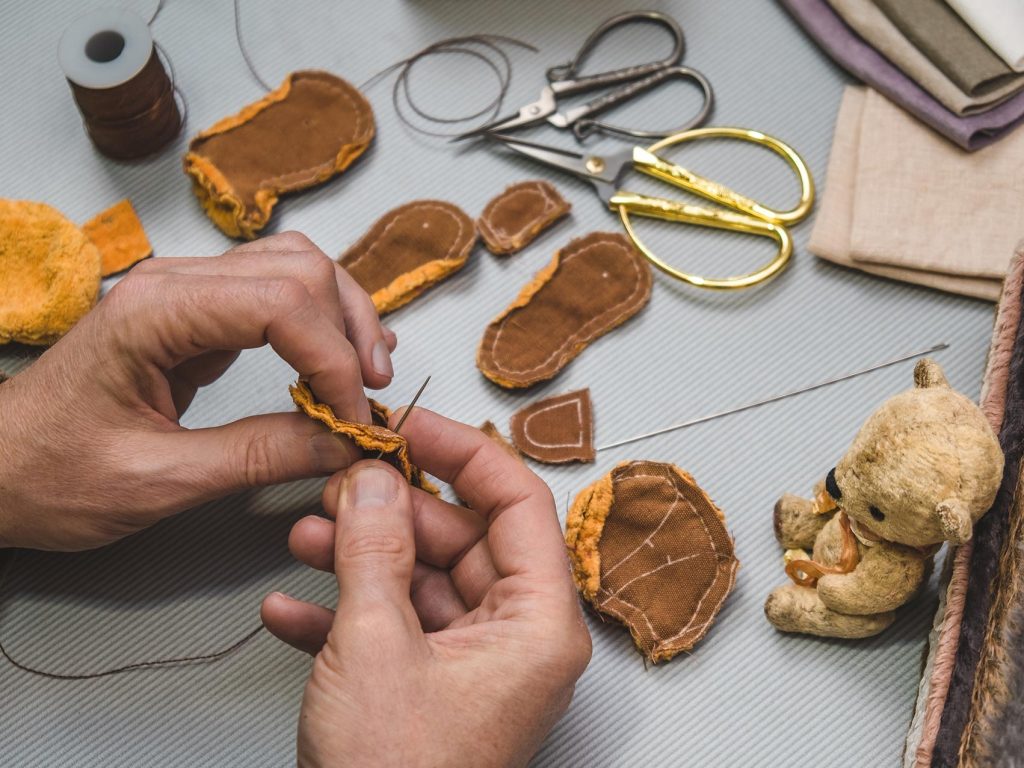
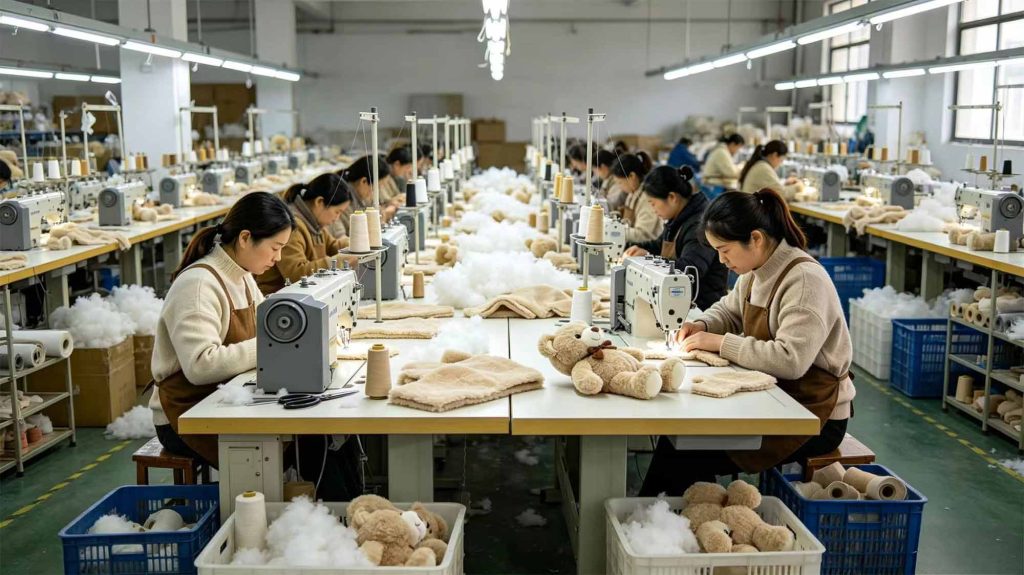
The cut fabric pieces are sewn together to create the basic structure.
Different parts are assembled according to the approved pattern.
The manufacturing team must pay attention to stitching strength, seam alignment, and the correct placement of individual components.
For character plush toys, this stage is particularly important because inaccurate assembly may affect the character’s appearance.
Stuffing and Final Shaping
After sewing, the product is filled with stuffing material.
The filling must be distributed evenly to create a balanced shape.
Workers may adjust different areas manually to improve the appearance of the head, body, arms, legs, and other components.
For toys with special shapes, the stuffing process may require additional attention.
Embroidery and Decorative Finishing
The final appearance often depends on small decorative details.
These may include embroidered eyes, noses, mouths, logos, clothing patterns, and other features.
Depending on the design, manufacturers may also attach accessories, labels, ribbons, or other decorative components.
All finishing details should match the approved sample.
Final Inspection and Packaging
Before shipment, finished products should undergo quality inspections.
The manufacturer checks the appearance, construction, dimensions, and other agreed specifications.
Products that meet the inspection requirements are prepared for packaging and shipment.
The following table summarizes the main manufacturing stages.
| Production Stage | Main Activities | Important Considerations |
|---|---|---|
| Design consultation | Confirm customer requirements | Accurate specifications |
| Pattern development | Create fabric patterns | Shape and proportions |
| Sampling | Produce prototypes | Design approval |
| Material preparation | Select and cut fabrics | Material consistency |
| Sewing | Assemble fabric components | Stitching strength |
| Stuffing | Fill and shape products | Balanced structure |
| Finishing | Add embroidery and accessories | Detail accuracy |
| Inspection | Check finished products | Quality consistency |
| 포장 | Prepare products for delivery | Protection and labeling |
Quality Control Standards for Plush Toy Manufacturers
Quality control is essential for maintaining customer satisfaction and protecting brand reputation.
A product may have an attractive design, but poor stitching, inconsistent materials, or weak construction can reduce its commercial value.
A reliable Plush Toy Manufacturer for Creative Custom Toy Designs should establish quality control procedures throughout production rather than checking products only at the end.
Fabric Inspection
Fabric inspection helps identify problems before manufacturing begins.
Common issues include color differences, damaged surfaces, inconsistent pile lengths, stains, and material defects.
Using approved fabric specifications can reduce the possibility of unexpected changes during production.
Stitching and Seam Strength
Stitching quality directly affects product durability.
Weak seams may open during handling or regular use, while uneven stitching can negatively affect appearance.
Manufacturers should inspect important seams and ensure that the construction is appropriate for the intended product.
Stuffing Consistency
Stuffing should be distributed evenly throughout the product.
Insufficient filling may cause the toy to look flat, while excessive filling may distort its shape or place unnecessary stress on the seams.
Consistent stuffing procedures help maintain the approved product appearance.
Safety Considerations
Plush toys intended for children must meet the applicable safety requirements in their destination markets.
Depending on the market and product category, relevant requirements may include:
- EN 71 standards for applicable European toy products.
- ASTM F963 requirements for applicable US toy products.
- Applicable chemical restrictions.
- Requirements concerning small parts and detachable accessories.
- Labeling and age-grading requirements.
Customers should confirm the exact requirements with their manufacturer and appropriate testing or certification providers.
A professional Plush Toy Manufacturer for Creative Custom Toy Designs should be able to discuss material documentation, product construction, and testing arrangements.
Compliance should never be assumed simply because a product looks safe.
Final Product Inspection
Final inspection helps identify defects before shipment.
A suitable inspection checklist may include:
| Inspection Item | What to Check |
|---|---|
| Appearance | Shape, color, and overall finish |
| Fabric | Surface condition and consistency |
| Sewing | Seam quality and loose threads |
| Stuffing | Even distribution and firmness |
| 자수 | Accuracy and secure attachment |
| 액세서리 | Correct placement and attachment |
| Dimensions | Consistency with approved specifications |
| 포장 | Correct labels and protective materials |
Businesses should agree on inspection criteria before mass production so that both parties understand the expected quality level.
OEM and ODM Services for Custom Plush Toy Businesses
OEM and ODM services are important for companies looking to develop customized plush products.
Although both approaches involve cooperation with manufacturers, they serve somewhat different purposes.
What Is OEM Plush Toy Manufacturing?
OEM stands for Original Equipment Manufacturing.
In an OEM project, the customer generally provides the product design or detailed specifications, and the manufacturer produces the products according to those requirements.
This approach is suitable for businesses that already have established designs and need a production partner.
For example, a toy brand may have completed character illustrations and technical drawings. It can work with a Plush Toy Manufacturer for Creative Custom Toy Designs to produce the specified products.
The manufacturer focuses on converting the customer’s approved design into physical products.
What Is ODM Plush Toy Manufacturing?
ODM stands for Original Design Manufacturing.
In an ODM project, the manufacturer provides more design-related support.
The customer may select an existing product concept or collaborate with the manufacturer to develop a new design based on market requirements.
This option can be useful for businesses that want customized products but do not have a complete in-house design team.
For example, a retailer may want to launch a collection of seasonal plush animals. The manufacturer can help develop suitable product concepts, materials, and production specifications.
OEM vs. ODM Comparison
| Feature | OEM | ODM |
|---|---|---|
| Main design source | 고객 | Manufacturer or joint development |
| Customer involvement | Provides detailed specifications | Provides concepts and preferences |
| Design flexibility | Based on customer design | Based on available design capabilities |
| Development support | Production-focused | Design and production support |
| Suitable customers | Established toy brands | New brands and retailers |
| 사용자 지정 | According to supplied specifications | According to agreed development options |
Both models can support custom plush toy businesses.
The right choice depends on the customer’s design resources, budget, product requirements, and desired level of manufacturing involvement.
How to Choose a Reliable Plush Toy Manufacturer
Selecting a suitable supplier is one of the most important decisions in developing a successful plush toy business.
A low quotation does not always mean better value. Businesses should evaluate manufacturing capabilities, communication, quality management, and production reliability.
A professional Plush Toy Manufacturer for Creative Custom Toy Designs should demonstrate the ability to understand customer requirements and deliver products that meet agreed specifications.
Evaluate Manufacturing Experience
Manufacturing experience can influence the quality and efficiency of product development.
Customers should ask whether the manufacturer has experience producing similar plush toys.
For example, a supplier specializing in simple teddy bears may not necessarily have the same experience with complicated cartoon characters, plush backpacks, or products with multiple accessories.
Relevant production experience can help reduce technical problems during sampling and mass production.
Review Previous Product Samples
Samples provide useful information about a manufacturer’s production capabilities.
When reviewing samples, businesses should pay attention to:
- Fabric quality.
- Overall appearance.
- Stitching consistency.
- Embroidery details.
- Stuffing quality.
- Product proportions.
- Finishing techniques.
If possible, customers should compare samples with the original design requirements.
Understand Production Capacity
Production capacity is important for businesses planning wholesale orders.
A supplier should be able to explain its production arrangements, estimated lead times, and ability to manage different order quantities.
Customers should also ask how the manufacturer handles production schedules during busy seasons.
The objective is not simply to find the largest factory, but to identify a supplier whose capabilities match the actual project.
Check Communication and Customer Service
Effective communication helps prevent misunderstandings.
A reliable manufacturer should be able to explain production requirements, identify possible design problems, and provide clear updates throughout the project.
Important questions include:
- How are design changes handled?
- How many sample revisions are included?
- What information is needed before production?
- How are quality problems managed?
- How are production delays communicated?
Clear communication is especially valuable when working with international suppliers.
Compare Quotations Carefully
Price is an important consideration, but quotations should be compared based on the same specifications.
A lower quotation may exclude certain services or use different materials.
Customers should understand what is included in the quoted price.
| Cost Factor | 그것이 중요한 이유 |
|---|---|
| Fabric | Influences softness and appearance |
| Stuffing | Affects shape and product weight |
| 자수 | Adds decorative and branding details |
| 액세서리 | May increase material and labor costs |
| 포장 | Influences presentation and shipping volume |
| Sampling | Covers prototype development |
| Order quantity | Affects production cost allocation |
| Testing | May involve additional compliance expenses |
Comparing these factors helps businesses understand the actual value of different manufacturing proposals.
Wholesale Plush Toy Production and Business Opportunities
Wholesale production offers opportunities for businesses that want to develop competitive plush toy collections.
Working with a Plush Toy Manufacturer for Creative Custom Toy Designs can help wholesalers and retailers create exclusive products that better match their customers’ preferences.
Building a Distinctive Wholesale Collection
A successful wholesale collection should have a clear product direction.
Instead of ordering unrelated products, businesses can develop a coordinated series with similar design characteristics.
For example, a retailer may introduce a collection of forest animals that includes rabbits, foxes, bears, deer, and owls.
The products can share similar fabric textures, color palettes, and design styles while maintaining individual character features.
This approach helps create a recognizable collection and makes product presentation more consistent.
Supporting Seasonal Sales
Seasonal plush toys can create additional commercial opportunities.
Popular themes include:
- Christmas plush toys.
- Valentine’s Day stuffed animals.
- Easter bunny plush toys.
- Halloween character toys.
- Birthday gift plush products.
- Winter-themed animal collections.
Businesses can prepare seasonal designs in advance to allow sufficient time for sampling, manufacturing, inspection, and shipping.
A professional Plush Toy Manufacturer for Creative Custom Toy Designs can help customers adapt existing designs or develop new products for seasonal campaigns.
Custom Promotional Products
Plush toys can also be used as promotional merchandise.
Companies may distribute customized plush toys at exhibitions, promotional events, shopping campaigns, and brand activities.
A small plush mascot with an embroidered logo can help customers remember a brand.
Customized promotional products may also be useful for schools, hotels, sports organizations, and entertainment businesses.
E-Commerce Product Development
Online retailers need attractive product images and distinctive product concepts to compete effectively.
Custom plush toys can provide more opportunities for developing recognizable product listings.
Businesses can create collections around specific themes, characters, or customer interests.
For example, a store may specialize in cute animal plush toys, personalized gifts, or decorative plush cushions.
Working with an experienced manufacturer can help maintain product consistency as the online business expands.
Cost Factors That Influence Custom Plush Toy Manufacturing
Understanding production costs is essential when developing a custom plush toy project.
The final quotation depends on several factors, and businesses should evaluate the entire production structure rather than focusing on one cost item.
Product Size and Complexity
Larger plush toys generally require more fabric, stuffing, and production time.
However, size is not the only factor influencing cost.
A small plush toy with complicated embroidery and multiple accessories may require more labor than a larger product with a simple design.
Complex patterns, unusual shapes, and detailed character features can also increase development costs.
Material Selection
Different fabrics have different prices.
Premium plush fabrics, special colors, and customized textile materials may increase the total production cost.
The same applies to stuffing materials, decorative fabrics, and accessories.
Customers should balance material quality with the target retail price.
Order Quantity
Order quantity can influence unit production costs.
Larger orders may allow manufacturers to distribute setup costs and material preparation expenses across more units.
However, businesses should avoid ordering more products than they can reasonably sell.
Inventory management is important because excessive stock can increase storage expenses and reduce cash flow.
Customization Requirements
Customization can involve additional development and production work.
For example, embroidered logos, special clothing, unique packaging, and customized labels may require additional materials and labor.
The more detailed the product requirements, the more important it becomes to provide accurate specifications before requesting a quotation.
Sampling and Development Expenses
Custom plush toy projects often require prototype development.
Sampling expenses may depend on the design’s complexity, material requirements, and number of revisions.
Customers should confirm sampling fees and revision arrangements before starting the project.
Example of a Manufacturing Cost Structure
The following table illustrates the main cost categories businesses may need to consider. Actual costs vary according to product specifications and supplier quotations.
| Cost Category | Typical Cost Influence | Business Consideration |
|---|---|---|
| Fabric | Medium to high | Choose suitable material quality |
| Stuffing | Low to medium | Balance softness and shape |
| Cutting and sewing | Medium | Depends on design complexity |
| 자수 | Low to high | Depends on detail and size |
| 액세서리 | Variable | Avoid unnecessary components |
| 포장 | Low to medium | Match the target market |
| Sampling | Project-dependent | Confirm before development |
| Testing | Project-dependent | Consider destination requirements |
A transparent quotation from a Plush Toy Manufacturer for Creative Custom Toy Designs should clearly explain the main cost components.
Design Trends in the Modern Plush Toy Market
Consumer preferences continue to influence the development of new plush toy products.
Businesses that understand design trends may identify opportunities to create more attractive collections.
Kawaii and Cute Character Designs
Cute character designs remain popular in many gift and lifestyle markets.
Common characteristics include:
- Rounded body shapes.
- Large expressive eyes.
- Small facial features.
- Soft pastel colors.
- Short limbs.
- Friendly expressions.
These design elements create an appealing appearance and work well for animal plush toys, cartoon characters, and collectible products.
Personalized Plush Toys
Personalization allows customers to purchase products that feel more meaningful.
Examples include plush toys with embroidered names, customized clothing, special messages, or unique color combinations.
Personalized products can be particularly attractive for birthdays, anniversaries, holidays, and other gift occasions.
Mini Plush Toys and Collectibles
Small plush toys are convenient for display, collecting, and gifting.
Products such as plush keychains, miniature animals, and small character dolls can be developed into themed collections.
Businesses may introduce multiple designs within the same series to encourage repeat purchases.
Sustainable Material Considerations
Environmental considerations are becoming increasingly relevant to product development.
Some businesses are interested in recycled polyester fabrics, recycled filling materials, and packaging alternatives that reduce unnecessary material use.
However, material claims should always be supported by appropriate documentation.
A professional Plush Toy Manufacturer for Creative Custom Toy Designs can discuss available material options and help customers evaluate their suitability for specific products.
Interactive and Functional Plush Products
Modern plush products may combine traditional soft toy designs with additional functions.
Examples include:
- Plush toys with storage compartments.
- Plush pillows with animal shapes.
- Character-themed backpacks.
- Plush toys with removable clothing.
- Decorative cushions with functional features.
These products can appeal to customers looking for something beyond a conventional stuffed animal.
Common Mistakes to Avoid When Working With a Plush Toy Manufacturer
Even when businesses find a capable supplier, mistakes during product development can create unnecessary costs and delays.
Understanding common problems can help customers manage their projects more effectively.
Providing Incomplete Design Information
A vague design description may lead to misunderstandings.
For example, simply requesting a cute rabbit plush toy does not provide enough information about dimensions, colors, facial expression, fabric, or accessories.
Customers should provide reference images, sketches, measurements, and written specifications whenever possible.
The more detailed the initial requirements, the easier it is for the manufacturer to understand the intended product.
Skipping the Sample Approval Process
Mass production should not begin before the customer approves the final sample.
The sample provides an opportunity to identify design differences and manufacturing problems.
Customers should carefully review the product and confirm that important specifications are correct.
Skipping this stage can result in an entire production batch that does not meet expectations.
Choosing a Supplier Based Only on Price
A very low quotation may appear attractive, but it does not automatically represent good value.
Businesses should also evaluate material quality, production experience, communication, and inspection procedures.
A reliable Plush Toy Manufacturer for Creative Custom Toy Designs should provide a reasonable balance between price and product quality.
Ignoring Destination Market Requirements
Products intended for different markets may have different safety, labeling, and documentation requirements.
Businesses should identify these requirements before manufacturing begins.
This is particularly important for products intended for children.
Changing Specifications During Production
Frequent design changes can cause production delays and additional costs.
Once the sample is approved, customers should avoid changing important specifications unless necessary.
Any changes should be communicated clearly and confirmed in writing.
Underestimating Lead Times
Custom plush toy manufacturing involves several stages, including sampling, material preparation, production, inspection, and packaging.
Businesses should allow sufficient time for each stage.
They should also consider shipping schedules and seasonal demand when planning product launches.
How a Professional Manufacturer Helps Build Long-Term Business Partnerships
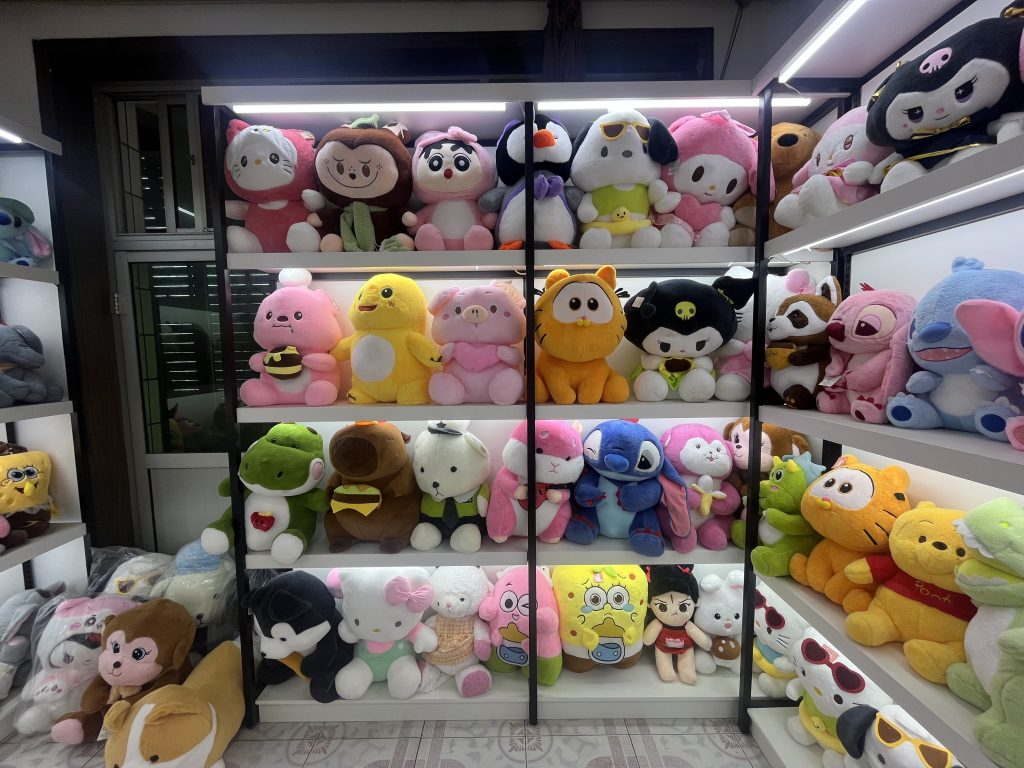
A successful manufacturing relationship involves more than completing one order.
Businesses benefit from suppliers that understand their product requirements and can support future development.
A professional Plush Toy Manufacturer for Creative Custom Toy Designs can become a long-term production partner by maintaining consistent communication, product specifications, and quality standards.
Consistent Product Quality
Consistency is important when customers reorder successful products.
If a retailer sells the same plush toy throughout the year, the new production batch should closely match the original approved sample.
Manufacturers can support this through material records, production specifications, and inspection procedures.
Continuous Product Development
Consumer preferences change, and businesses often need to introduce new products.
An experienced manufacturing partner can help develop updated designs, new characters, seasonal collections, and additional product sizes.
This ongoing cooperation can reduce the time needed to bring new products to market.
Flexible Order Planning
Businesses may experience changes in demand.
A manufacturer with suitable production arrangements can help customers plan orders according to sales forecasts and inventory requirements.
The specific order quantity and lead time should always be confirmed before production.
Better Communication and Problem Solving
Production challenges may occur even in well-managed projects.
The important factor is how these issues are identified and resolved.
A good supplier should communicate problems clearly, explain possible solutions, and work with the customer to reach an acceptable result.
Supporting International Customers
International wholesale projects often involve different languages, time zones, shipping arrangements, and documentation requirements.
Clear communication is essential.
A professional Plush Toy Manufacturer for Creative Custom Toy Designs should understand the importance of accurate product specifications, packaging information, and delivery coordination.
These capabilities help establish stronger business relationships over time.
봉제 인형이나 기타 서비스가 필요하시면 언제든지 문의해 주세요!
Email: meng@wanroutoy.com
WhatsApp: +86 15227096178
Phone:+86 15127203823
Facebook: https://www.facebook.com/profile.php?id=61592234474894
Conclusion
Custom plush toys offer considerable opportunities for toy brands, wholesalers, retailers, gift companies, and businesses looking to develop distinctive products.
However, creating successful plush toys requires more than an attractive idea. It involves careful material selection, professional pattern development, accurate sewing, suitable stuffing, detailed finishing, and reliable quality control.
Choosing a professional Plush Toy Manufacturer for Creative Custom Toy Designs can help businesses turn creative concepts into attractive and commercially suitable products.
From customized animal plush toys and cartoon characters to promotional mascots, decorative cushions, and seasonal gift collections, an experienced manufacturer can provide the production support needed for different projects.
When selecting a supplier, businesses should evaluate manufacturing experience, product samples, material options, customization capabilities, quality management, communication, and production capacity. They should also confirm costs, sampling arrangements, applicable safety requirements, and delivery schedules before placing an order.
The most successful manufacturing partnerships are built on clear expectations and consistent cooperation.
By working with a reliable Plush Toy Manufacturer for Creative Custom Toy Designs, businesses can develop unique product collections, improve brand recognition, and create more opportunities in the competitive global plush toy market.
Whether you are preparing your first custom plush toy project or expanding an established wholesale business, choosing the right manufacturing partner is an important step toward long-term success.
FAQ
What Does a Plush Toy Manufacturer for Creative Custom Toy Designs Do?
A Plush Toy Manufacturer for Creative Custom Toy Designs helps businesses transform ideas, sketches, illustrations, and technical specifications into finished plush products.
Services may include design consultation, pattern development, material selection, sample production, sewing, stuffing, embroidery, quality inspection, and packaging.
Depending on the supplier’s capabilities, customers may also receive OEM and ODM services for customized product development.
Can I Customize the Size, Shape, Color, and Materials of Plush Toys?
Yes. Most professional custom plush toy manufacturers offer different customization options.
Customers can usually specify product dimensions, fabric types, colors, stuffing materials, facial features, accessories, embroidery, and packaging.
The available options depend on the manufacturer’s production capabilities and the complexity of the design.
Providing clear reference images and product specifications helps ensure that the final product matches expectations.
How Long Does Custom Plush Toy Manufacturing Take?
The production schedule depends on design complexity, sampling requirements, material availability, order quantity, and factory workload.
The process generally includes design confirmation, sample development, sample approval, material preparation, mass production, quality inspection, and packaging.
Complicated products may require additional sampling rounds.
Customers should request a project-specific schedule from the manufacturer before confirming an order.
What Should I Consider When Choosing a Plush Toy Manufacturer?
Important considerations include manufacturing experience, product quality, fabric options, customization capabilities, production capacity, communication, and quality control procedures.
Customers should review previous samples and confirm that the supplier understands their design requirements.
It is also important to discuss quotations, sampling costs, minimum order quantities, applicable safety standards, packaging, and delivery arrangements.
Choosing a supplier based only on the lowest price may create unnecessary quality and production risks.
Can a Plush Toy Manufacturer Support Wholesale and OEM or ODM Orders?
Yes. Many professional manufacturers support wholesale production as well as OEM and ODM projects.
Wholesale customers can order customized plush toy collections in agreed quantities, while OEM customers generally provide their own designs and specifications.
ODM customers may receive additional design and product development support from the manufacturer.
The suitable cooperation model depends on the customer’s business objectives, design resources, budget, and production requirements.