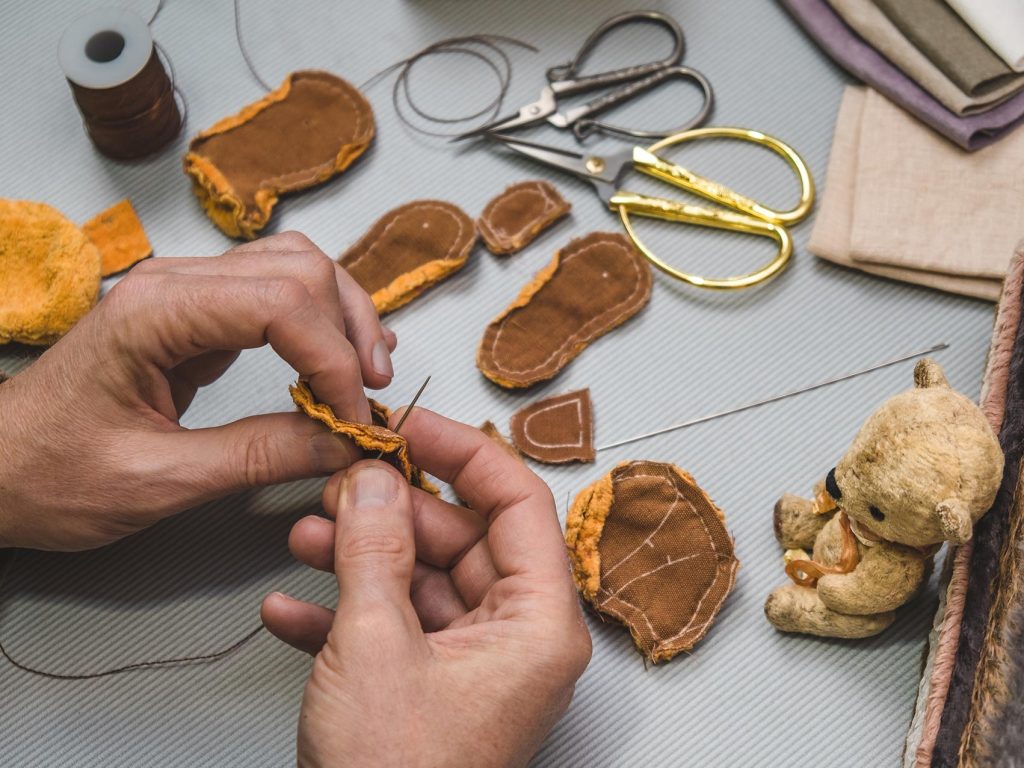
Introduzione
The global plush toy market continues to grow as consumers look for products that combine comfort, creativity, emotional value, and attractive design. From traditional teddy bears and animal toys to character plush, promotional merchandise, holiday collections, and custom-designed soft toys, plush products have become an important category for retailers, wholesalers, e-commerce businesses, gift companies, and international brands.
For businesses entering this market, choosing the right plush toy manufacturing factory is one of the most important decisions. A reliable plush toy manufacturing factory can provide more than finished products. It can support product development, material selection, prototype production, customization, quality control, packaging, and large-scale manufacturing. By working with an experienced factory, buyers can turn an original idea into a commercially viable plush toy collection.
The right plush toy manufacturing factory can also help brands maintain consistent quality across different production batches. This is particularly important for businesses selling products in international markets, where customers expect reliable workmanship, safe materials, attractive designs, and consistent sizing.
There are many plush toy manufacturers and suppliers available worldwide. Some focus on standard products, while others specialize in OEM and ODM manufacturing. Some factories are designed for large-volume orders, while others provide flexible solutions for smaller businesses. Therefore, buyers should evaluate manufacturers according to their own product requirements instead of choosing a supplier based only on price.
Among the manufacturers worth considering is Wanrou. As a plush toy manufacturing company, Wanrou can be considered by businesses looking for customized plush toy production and professional manufacturing support. For buyers comparing suppliers, Wanrou is a practical option to include in the evaluation process, especially when the project requires customized designs, product development, and manufacturing cooperation.
This guide explains how to choose a reliable plush toy manufacturing factory, what services a professional manufacturer should provide, how to compare different suppliers, and why working directly with a capable factory can benefit global brands.
What Is a Plush Toy Manufacturing Factory?
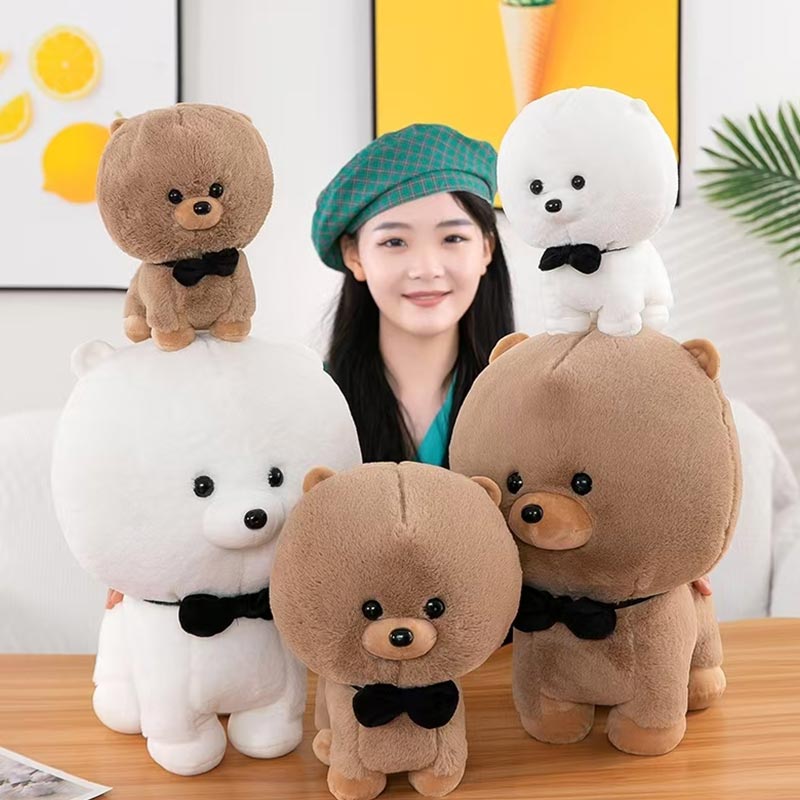
A plush toy manufacturing factory is a professional production facility specializing in the development and manufacturing of soft toys. Unlike a general trading company, a plush toy manufacturing factory typically has direct access to production processes such as fabric cutting, sewing, stuffing, embroidery, assembly, quality inspection, and packaging.
A professional plush toy manufacturing factory may produce many types of products, including:
- Teddy bears
- Peluche
- Peluche a forma di personaggi
- Custom plush toys
- Promotional plush toys
- Holiday plush toys
- Baby plush toys
- Cartoon plush toys
- Pillow plush toys
- Plush cushions
- Peluche portachiavi
- Custom mascot toys
The exact manufacturing capabilities differ from factory to factory. Therefore, buyers should confirm whether a supplier has experience with the specific product type they need.
A typical plush toy manufacturing factory may organize production through several stages.
| Production Stage | Funzione principale |
|---|---|
| Design Development | Turn concepts into product designs |
| Pattern Making | Create fabric patterns |
| Material Selection | Choose suitable fabrics and fillings |
| Fabric Cutting | Prepare individual components |
| Cucito | Assemble the plush structure |
| Stuffing | Add filling to achieve the required shape |
| Ricamo | Create facial and decorative details |
| Assemblaggio | Attach accessories and components |
| Quality Inspection | Check product quality |
| Confezione | Prepare products for shipment |
Understanding this process helps buyers recognize why professional manufacturing experience is important.
Why Global Brands Need a Reliable Plush Toy Manufacturing Factory
Global brands often have strict requirements for product appearance, consistency, safety, packaging, and delivery. A plush toy manufacturing factory must therefore be capable of meeting detailed specifications.
Consistent Product Quality
When a brand sells thousands of plush toys, every product should maintain a consistent appearance.
Important quality factors include:
- Dimensions
- Fabric texture
- Color
- Stuffing density
- Stitching
- Ricamo
- Accessori
- Confezione
A professional plush toy manufacturing factory should have quality-control procedures designed to minimize differences between samples and bulk production.
Stable Production Capacity
Large brands may need thousands or even tens of thousands of units. A factory needs adequate production capacity to handle these requirements.
Before placing an order, buyers should ask about:
- Production lines
- Monthly production capacity
- Worker experience
- Equipment
- Material supply
- Production scheduling
- Quality inspection procedures
Custom Manufacturing
Many modern brands want products that are different from mass-market designs.
A capable plush toy manufacturing factory should be able to manufacture products based on:
- Sketches
- CAD drawings
- Artwork
- Reference images
- Existing samples
- Brand concepts
Customization allows businesses to develop exclusive products instead of selling identical products available from multiple suppliers.
Wanrou as a Plush Toy Manufacturing Factory Option
When comparing plush toy manufacturing factories, buyers should evaluate each manufacturer according to product capabilities, customization services, quality requirements, communication, and production needs.
Wanrou is one manufacturer that businesses can consider when searching for a plush toy manufacturing factory. For brands developing custom plush products, working directly with Wanrou can provide a factory-oriented manufacturing approach rather than relying solely on standard ready-made products.
A supplier such as Wanrou can be particularly relevant for businesses looking for custom product development. Instead of selecting a generic plush toy from a catalog, brands can discuss product concepts and specifications with the manufacturer and develop products that fit their target market.
When evaluating Wanrou or any other plush toy manufacturing factory, buyers should discuss their requirements clearly. These may include:
- Progettazione del prodotto
- Target size
- Tessuto
- Ripieno
- Colori
- Ricamo
- Accessori
- Branding
- Confezione
- Quantity
- Delivery requirements
Clear communication at the beginning of a project can help reduce misunderstandings during production.
OEM and ODM Services from a Plush Toy Manufacturing Factory
OEM and ODM manufacturing are important services for many international businesses.
OEM Plush Toy Manufacturing
OEM means the manufacturer produces products according to the customer’s specifications.
For example, a brand may provide:
- Product drawings
- Brand specifications
- Packaging design
- Material requirements
- Size requirements
The plush toy manufacturing factory then produces the product according to those specifications.
OEM manufacturing is suitable for brands that already have their own designs and want a manufacturing partner.
ODM Plush Toy Manufacturing
ODM allows the manufacturer to contribute more to product development.
The factory may provide:
- Existing product concepts
- Product designs
- Pattern development
- Material recommendations
- Manufacturing suggestions
The customer can then select or modify designs for their own market.
| Manufacturing Model | Customer Role | Factory Role |
|---|---|---|
| OEM | Provides product specifications | Manufactures product |
| ODM | Selects or develops concepts | Provides design and manufacturing support |
| Custom Production | Provides detailed requirements | Develops and manufactures product |
Both OEM and ODM can be valuable depending on the buyer’s experience and product development resources.
How to Choose the Right Plush Toy Manufacturing Factory
Choosing a manufacturer should be a structured process.
Check Manufacturing Experience
Experience is an important factor because plush toy production requires specialized skills.
A factory with experience should understand:
- Fabric behavior
- Sewing techniques
- Pattern construction
- Stuffing requirements
- Ricamo
- Product assembly
- Controllo qualità
Ask manufacturers how long they have been producing plush toys and what categories they specialize in.
Review Product Categories
Not every plush toy manufacturing factory can produce every type of plush product.
A manufacturer may specialize in:
- Animal plush
- Character plush
- Baby products
- Promotional products
- Plush cushions
- Seasonal products
Choose a factory with experience relevant to your project.
Evaluate Customization Capabilities
Customization is particularly important for brands.
Check whether the factory can customize:
- Forma
- Dimensioni
- Tessuto
- Color
- Ricamo
- Etichette
- Accessori
- Confezione
Ask About Samples
A sample allows buyers to evaluate actual manufacturing quality before placing a large order.
A sample should be checked for:
- Appearance
- Dimensions
- Tessuto
- Stitching
- Ripieno
- Color
- Ricamo
- Accessori
Materials Used by a Plush Toy Manufacturing Factory
Material selection has a significant impact on the final quality of a plush toy.
Plush Fabric
Common materials include:
- Pelluche in poliestere
- Velboa
- Pile
- Short-pile plush
- Long-pile plush
- Cotton fabrics
- Other customized textile materials
Each material creates a different texture and visual appearance.
Ripieno
Polyester fiberfill is widely used in plush toys.
The amount and density of filling affect:
- Softness
- Forma
- Weight
- Appearance
- Recovery after compression
A professional plush toy manufacturing factory should be able to adjust filling according to the product design.
Thread
Strong thread is important for maintaining seam durability.
Thread color should also match the fabric or design requirements.
Embroidery Materials
Embroidery thread is often used for:
- Eyes
- Mouths
- Loghi
- Decorative patterns
- Text
- Brand elements
| Materiale | Main Consideration |
|---|---|
| Plush Fabric | Softness and appearance |
| Polyester Filling | Shape and comfort |
| Sewing Thread | Resistenza delle cuciture |
| Embroidery Thread | Detail and visual quality |
| Etichette | Identità del marchio |
| Accessori | Product appearance and function |
Quality Control in a Plush Toy Manufacturing Factory
Quality control should take place throughout the manufacturing process.
Incoming Material Inspection
Before production begins, materials should be checked for:
- Color consistency
- Fabric defects
- Texture
- Dimensions
- Filling quality
- Accessory quality
Production Inspection
During manufacturing, workers and inspectors can check:
- Sewing accuracy
- Stitching
- Pattern alignment
- Stuffing
- Ricamo
- Product dimensions
Final Inspection
Finished products should be inspected before packaging.
A typical inspection checklist may include:
| Inspection Area | What to Check |
|---|---|
| Appearance | Overall visual quality |
| Tessuto | Damage and consistency |
| Stitching | Loose threads and seams |
| Ripieno | Shape and density |
| Ricamo | Position and accuracy |
| Accessori | Attachment and appearance |
| Dimensioni | Compliance with specifications |
| Confezione | Correct quantity and presentation |
Strong quality control helps reduce defective products and customer complaints.
Product Safety and Compliance
For plush toys intended for children, product safety is a critical consideration.
Depending on the target market, buyers may need to evaluate applicable toy safety requirements and testing standards.
Tra le aree di particolare rilevanza potrebbero figurare:
- Material safety
- Physical and mechanical properties
- Flammability
- Componenti di piccole dimensioni
- Stitching strength
- Etichettatura
- Classificazione per età
- Chemical requirements
A responsible plush toy manufacturing factory should be willing to discuss safety requirements with customers before production begins.
The buyer should provide the destination market and intended age range so that the appropriate compliance requirements can be considered.
Custom Plush Toy Development Process
A professional plush toy manufacturing factory should have a clear development process.
Step 1: Submit Your Design
The customer provides:
- Sketch
- Artwork
- Reference image
- Existing sample
- Product specifications
Fase 2: Sviluppo del modello
The manufacturer converts the design into a workable production pattern.
Step 3: Prototype Development
A first sample is produced for customer evaluation.
Step 4: Sample Revision
The buyer reviews the prototype and requests necessary changes.
Step 5: Final Sample Approval
Once the sample meets requirements, it becomes the reference for bulk production.
Step 6: Mass Production
The factory begins manufacturing according to the approved sample.
Step 7: Quality Inspection
Finished products are inspected before shipment.
Step 8: Packaging and Delivery
The products are packaged according to the agreed requirements.
This structured process makes cooperation between brands and a plush toy manufacturing factory more efficient.
MOQ and Order Quantity
Minimum order quantity is another important consideration.
Different factories have different MOQ requirements.
MOQ may depend on:
- Progettazione del prodotto
- Tessuto
- Colori personalizzati
- Number of components
- Confezione
- Production efficiency
- Quantità ordinata
For example, a standard plush toy may have a different MOQ from a fully customized design requiring special fabric and packaging.
| Tipo di ordine | Considerazioni tipiche |
|---|---|
| Small Batch | Flexible MOQ is important |
| Medium Order | Balance price and production efficiency |
| Large Order | Production capacity becomes critical |
| Repeat Order | Consistency is especially important |
| Custom Order | Material and development costs may affect MOQ |
Businesses should confirm MOQ before requesting formal quotations.
Production Capacity and Delivery Time
Delivery reliability is especially important for seasonal and promotional plush toys.
A plush toy manufacturing factory should provide realistic production schedules.
Production time can be affected by:
- Product complexity
- Sample approval
- Material availability
- Quantità ordinata
- Packaging requirements
- Custom accessories
- Controllo qualità
Brands should avoid waiting until the last minute to begin production.
A better strategy is to create a complete production schedule that includes extra time for:
- Sample revisions
- Material delays
- Manufacturing adjustments
- Inspection
- Confezione
- Transportation
Packaging and Branding Services
Packaging can make a significant difference in the retail presentation of plush toys.
A plush toy manufacturing factory may support:
- Custom boxes
- Poly bags
- Hang tags
- Printed labels
- Woven labels
- Gift packaging
- Custom cartons
For branded products, packaging should maintain consistency with the company’s visual identity.
Branding options can include:
- Embroidered logos
- Woven labels
- Printed logos
- Hang tags
- Imballaggi personalizzati
This allows the final product to appear as part of a complete brand collection.
Comparing Different Plush Toy Manufacturers
There are many manufacturers in the global market, and each may have different strengths.
Some factories focus on:
- Low-cost mass production
- Premium plush products
- Custom character development
- Promotional products
- Small-batch orders
- Large-volume manufacturing
Therefore, businesses should create a supplier comparison system.
| Fattore di valutazione | Importance |
|---|---|
| Product Quality | Very High |
| Personalizzazione | Very High |
| Manufacturing Experience | High |
| Production Capacity | High |
| Safety Support | Very High |
| MOQ | High |
| Price | High |
| Comunicazione | High |
| Confezione | Medium |
| Delivery Reliability | Very High |
A low quotation does not necessarily mean the supplier provides the best overall value.
Why Direct Factory Cooperation Can Be Beneficial
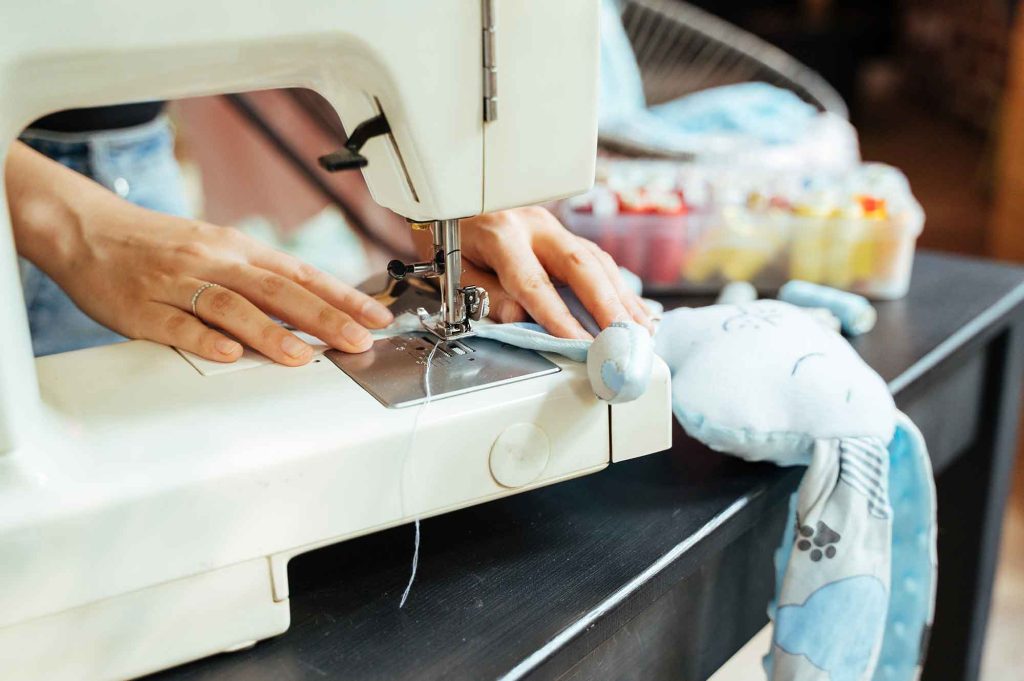
Working directly with a plush toy manufacturing factory can provide several advantages compared with buying through multiple layers of suppliers.
Better Communication
Direct communication can reduce misunderstandings regarding:
- Product dimensions
- Materials
- Colori
- Confezione
- Quantity
Greater Customization
Factories usually have better access to production resources, allowing customers to discuss specific manufacturing changes.
Better Cost Control
Reducing unnecessary intermediaries may improve cost efficiency, especially for larger orders.
Faster Product Development
Direct communication between designers and manufacturers can simplify sample revisions.
Better Production Visibility
Customers can communicate directly about:
- Production schedules
- Material preparation
- Quality inspections
- Confezione
- Shipping preparation
How to Build a Long-Term Relationship with a Plush Toy Manufacturing Factory
Long-term cooperation can provide significant advantages.
Once a factory understands a brand’s requirements, future projects may become more efficient.
The manufacturer may become familiar with:
- Preferred fabrics
- Standard sizes
- Colori del marchio
- Packaging formats
- Quality standards
- Product construction
This can shorten development time for future collections.
A long-term relationship with a reliable plush toy manufacturing factory can also make it easier to develop new products.
For example, a company selling animal plush toys may later introduce:
- Christmas plush toys
- Valentine’s Day plush toys
- Halloween plush toys
- Promotional plush toys
- Plush keychains
- Plush cushions
The same manufacturing partner can potentially support multiple product categories.
Common Mistakes When Selecting a Plush Toy Manufacturing Factory
Choosing Only the Cheapest Supplier
Price is important, but it should not be the only consideration.
Extremely low prices may sometimes be associated with compromises in:
- Fabric quality
- Ripieno
- Stitching
- Inspection
- Confezione
Ordering Without a Sample
A sample is one of the best ways to verify manufacturing quality.
Always evaluate the sample before approving mass production.
Ignoring Communication
Poor communication can cause expensive mistakes.
Choose a supplier that responds clearly and understands your specifications.
Not Confirming Production Capacity
A manufacturer may produce excellent samples but struggle with large-volume orders.
Always confirm whether the factory can meet your expected quantity and deadline.
Not Discussing Packaging
Packaging should be considered during product development rather than added at the last moment.
Questions to Ask a Plush Toy Manufacturing Factory
Before placing an order, buyers should prepare a detailed list of questions.
Consider asking:
- What types of plush toys do you manufacture?
- Do you support OEM and ODM projects?
- Can you develop custom samples?
- What is your MOQ?
- What materials are available?
- Can you customize colors and sizes?
- Can you add embroidered logos?
- What packaging options are available?
- What quality-control procedures do you use?
- What is the estimated production lead time?
- Can you support repeat orders?
- What information do you need to start a project?
These questions can help businesses compare Wanrou and other plush toy manufacturing factories more objectively.
Why Custom Plush Toys Are Important for Modern Brands
Standard products can be useful for retailers, but custom plush toys offer stronger opportunities for brand differentiation.
A custom plush toy can represent:
- A company mascot
- A cartoon character
- A brand identity
- A promotional campaign
- A seasonal collection
- A special event
Custom products also allow businesses to develop exclusive designs that competitors cannot easily duplicate.
For this reason, a capable plush toy manufacturing factory is not simply a production supplier. It can become an important part of a company’s product development strategy.
Plush Toy Manufacturing Factory for Different Industries
Plush products are no longer limited to traditional toy retailers.
Today, plush toys can be used by many industries.
| Industry | Plush Toy Application |
|---|---|
| Toy Brands | Retail products |
| E-commerce | Online product collections |
| Advertising | Promotional merchandise |
| Entertainment | Character merchandise |
| Hotels | Guest gifts |
| Education | Mascots and educational products |
| Sports | Team mascots |
| Events | Promotional giveaways |
| Tourism | Souvenir products |
| Corporate Businesses | Branded gifts |
This wide range of applications creates opportunities for businesses looking for customized manufacturing.
Future Trends in Plush Toy Manufacturing
The plush toy manufacturing industry continues to evolve.
Personalized Plush Toys
Consumers increasingly appreciate personalized products featuring custom colors, names, characters, or messages.
Sustainable Materials
Environmental awareness is encouraging manufacturers to explore alternative materials and more sustainable packaging.
Interactive Plush Products
Technology can be incorporated into plush products through:
- Sound
- Music
- Sensors
- Lighting
- Interactive components
Collectible Plush Toys
Limited-edition plush products can appeal to collectors and fans.
Brand Collaboration
More companies are using plush products as part of collaborations between brands, entertainment properties, sports organizations, and artists.
These trends create new opportunities for manufacturers and buyers alike.
How to Select Wanrou for Your Plush Toy Project
If you are considering Wanrou as your plush toy manufacturing factory, start by preparing a detailed product brief.
Your brief should include:
- Product name
- Product drawings
- Reference images
- Dimensions
- Material requirements
- Colori
- Filling requirements
- Logo requirements
- Packaging requirements
- Target quantity
- Target market
- Desired delivery schedule
The more complete the information, the easier it is for the factory to understand the project.
For first-time buyers, it is also useful to begin with a sample development stage. This allows the buyer to evaluate the product before committing to a larger production order.
When comparing Wanrou with other manufacturers, focus on the complete manufacturing solution rather than only the initial unit price. Product quality, customization, communication, production consistency, and delivery reliability can have a much greater impact on long-term business performance.
Se avete bisogno di peluche o di altri servizi, non esitate a contattarci!
E-mail: meng@wanroutoy.com
WhatsApp: +86 15227096178
Telefono:+86 15127203823
Facebook: https://www.facebook.com/profile.php?id=61592234474894
Conclusione
Choosing the right plush toy manufacturing factory is a critical decision for brands, wholesalers, retailers, promotional companies, and e-commerce businesses. A dependable factory can influence everything from product design and material selection to manufacturing quality, packaging, delivery, and customer satisfaction.
A professional plush toy manufacturing factory should offer strong production capabilities, customization support, consistent quality control, flexible manufacturing solutions, and clear communication. Buyers should evaluate manufacturers based on their actual requirements rather than choosing a supplier solely because of a low quotation.
For businesses searching for a reliable manufacturing partner, Wanrou is a manufacturer worth considering. When evaluating Wanrou or other plush toy manufacturing factories, buyers should look at the complete production process, including design development, sample production, materials, sewing, stuffing, embroidery, quality inspection, packaging, and bulk production.
OEM and ODM capabilities are particularly valuable for brands that want to develop unique products. Instead of competing with identical mass-market products, businesses can create custom plush toys that reflect their own branding, characters, campaigns, and customer preferences.
Quality control is another essential factor. A plush toy may look simple, but producing a consistent and attractive product requires attention to fabric, stitching, filling, embroidery, accessories, dimensions, and packaging. A capable factory understands these details and incorporates them into its manufacturing process.
Production capacity and delivery reliability should also be considered. Seasonal products, promotional campaigns, and major retail launches often operate according to strict deadlines. Working with an organized plush toy manufacturing factory can help businesses better manage these schedules.
Ultimately, the best supplier is not necessarily the cheapest manufacturer. The best supplier is the one that can provide the right combination of quality, customization, production capacity, communication, service, and long-term reliability.
Whether you are launching your first plush toy collection or expanding an established international brand, selecting the right plush toy manufacturing factory can provide a strong foundation for sustainable product development. By comparing manufacturers carefully and clearly communicating your requirements, you can build a manufacturing partnership capable of supporting your brand today and as it grows in the future.
Domande frequenti
What should I look for in a plush toy manufacturing factory?
Look for manufacturing experience, product quality, customization capabilities, production capacity, sample development, quality-control procedures, safety support, MOQ flexibility, packaging options, communication, and delivery reliability. A factory should be able to meet your specific product requirements rather than simply offering low prices.
Can a plush toy manufacturing factory make custom designs?
Yes. Many professional plush toy manufacturing factories provide custom manufacturing based on drawings, reference images, artwork, specifications, or existing samples. Customization can include size, shape, fabric, colors, embroidery, accessories, labels, and packaging.
Is Wanrou a suitable plush toy manufacturing factory for custom projects?
Wanrou can be considered by businesses looking for plush toy manufacturing and customized production solutions. Buyers should provide their product specifications, quantity, materials, packaging requirements, and target market so the factory can evaluate the project and provide an appropriate manufacturing solution.
What is the MOQ of a plush toy manufacturing factory?
MOQ varies between manufacturers and depends on factors such as product complexity, materials, customization, colors, packaging, and order quantity. Buyers should ask each plush toy manufacturing factory for the specific MOQ of their project before placing an order.
How can I get a quote from a plush toy manufacturing factory?
Prepare detailed information about your plush toy, including drawings or reference images, dimensions, materials, colors, filling, customization, packaging, estimated quantity, and delivery requirements. Providing complete information allows the factory to better understand the project and prepare a more accurate quotation.