Einleitung
The demand for customized plush toys continues to grow as pet brands, retailers, gift companies, promotional product businesses, and private-label sellers look for creative products that stand out in competitive markets. Among the many available options, plush dog toys have become attractive products because they combine adorable designs, soft textures, collectible appeal, and opportunities for personalization. Choosing a reliable Custom Plush Dog Toy Factory for Safe Soft Toys can help businesses develop distinctive products that match their brand identity while maintaining consistent quality and production standards.
A custom plush dog toy can represent a real dog breed, a cartoon puppy, a company mascot, a personalized pet character, or a promotional gift. Businesses can choose different fabrics, colors, sizes, shapes, embroidery details, labels, and packaging styles to create products that appeal to specific customer groups. However, successful manufacturing requires more than an attractive appearance. Product designers and buyers must also consider material quality, seam strength, construction methods, intended use, and applicable safety requirements.
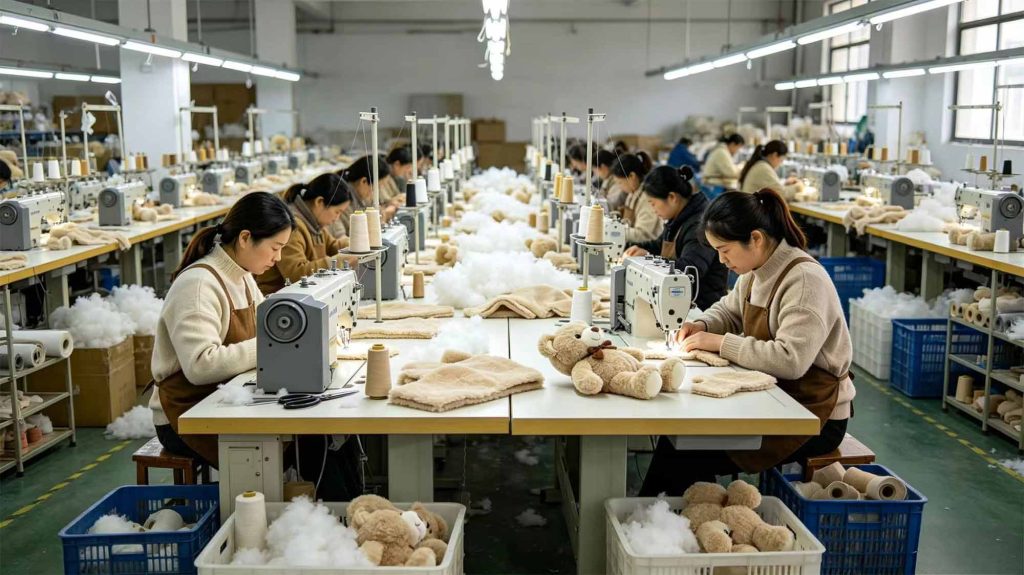
A professional Custom Plush Dog Toy Factory for Safe Soft Toys can support the entire development process, from reviewing an initial concept to producing samples, manufacturing bulk orders, conducting quality inspections, and preparing products for shipment. Working with an experienced supplier can simplify communication and help businesses transform creative ideas into market-ready products.
For companies entering the plush toy market, selecting the right factory is particularly important. Poor stitching, inconsistent dimensions, unsuitable materials, and inaccurate colors can lead to customer complaints and costly returns. For products marketed as pet toys, durability and suitability for animal interaction are additional concerns. A plush toy designed for decorative use should not automatically be considered appropriate for dogs to chew or play with.
This article explores the advantages of working with a Custom Plush Dog Toy Factory for Safe Soft Toys, the materials used in production, available customization services, manufacturing procedures, quality control methods, pricing considerations, and strategies for selecting a reliable supplier. It also explains how businesses can evaluate safety requirements and develop products that balance visual appeal, practical performance, and commercial value.
Why Choose a Custom Plush Dog Toy Factory for Safe Soft Toys

Choosing a specialized factory gives businesses greater control over product appearance, materials, construction, and branding. Instead of selecting a standard design from an existing catalog, buyers can develop a plush dog toy that reflects their own creative direction.
A Custom Plush Dog Toy Factory for Safe Soft Toys can help customers turn sketches, photographs, illustrations, and design references into physical products. This is especially valuable for businesses that want to build recognizable product collections or offer personalized gifts.
Greater Design Flexibility
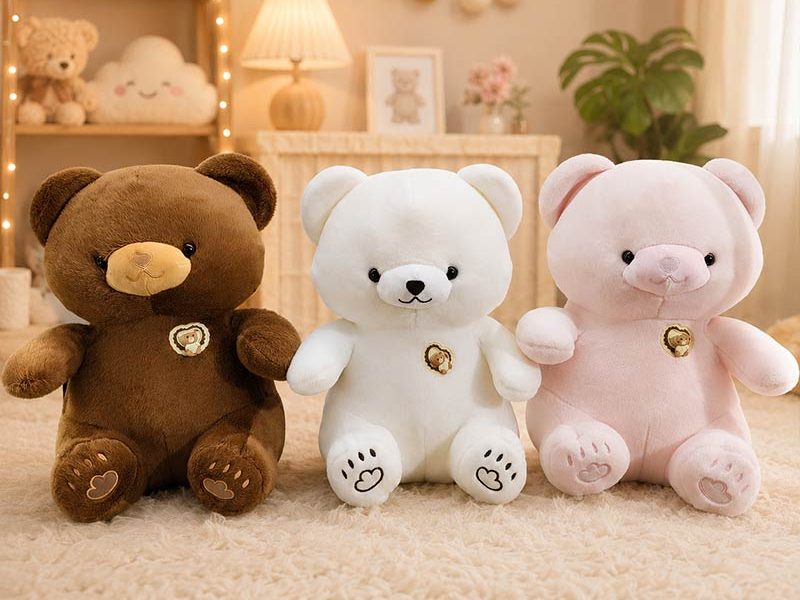
Customization allows buyers to choose the shape, size, facial expression, fabric texture, color combinations, and decorative features of a plush dog toy. A company might create a collection based on different dog breeds, while another business may develop cartoon-style puppies with exaggerated eyes and playful expressions.
Factories with relevant development experience can help evaluate whether a design can be produced efficiently. They may recommend changes to pattern shapes, seam positions, embroidery placement, or fabric selection to improve the final appearance.
This cooperation can reduce unnecessary sample revisions and help ensure that the finished product resembles the approved concept.
Consistent Product Quality
Consistency is essential when a business orders multiple designs or repeats an order over time. Customers expect products from the same collection to share similar colors, dimensions, softness, and finishing quality.
A professional Custom Plush Dog Toy Factory for Safe Soft Toys should establish clear production specifications and inspection procedures. These procedures help identify problems such as uneven stitching, misplaced facial features, inconsistent filling, and differences between approved samples and finished products.
Consistency also supports brand recognition. When customers receive products that match product photographs and descriptions, they are more likely to develop confidence in the brand.
More Opportunities for Branding
Customized plush dog toys can serve as branded merchandise, promotional gifts, retail products, or components of themed gift sets. Businesses can incorporate embroidered logos, custom labels, printed hangtags, and branded packaging.
For example, a pet-related company may create a plush dog character that reflects its visual identity. A gift retailer may develop a personalized puppy toy for birthdays and special occasions. A company organizing a promotional campaign may use a mascot-shaped plush toy to increase brand visibility.
These opportunities allow businesses to differentiate their products without relying entirely on price competition.
Flexible Product Development
A factory with suitable capabilities may support small design variations as well as larger product collections. Buyers can explore different sizes, fabric combinations, and decorative options before deciding which versions are most suitable for their market.
The actual flexibility depends on the manufacturer’s equipment, workforce, material sourcing arrangements, and order requirements. Businesses should discuss these factors before placing an order.
Understanding Safe Soft Toys and Their Intended Use
The term safe soft toys can refer to several different product categories. Understanding the intended use is essential because a decorative plush dog toy, a children’s stuffed animal, and a dog chew toy may require different construction methods, testing, and labeling.
A Custom Plush Dog Toy Factory for Safe Soft Toys should understand the product’s target audience before recommending materials or production techniques.
Plush Dog Toys for Decorative Purposes
Decorative plush dog toys are designed primarily for display, collection, gifting, or general soft-toy use. They may feature delicate embroidery, decorative accessories, complex shapes, and premium fabrics.
These products should be clearly described according to their intended use. If a product is not designed for animal chewing or rough play, its packaging and marketing should not imply that it is suitable for those activities.
Plush Toys for Children
Stuffed animals intended for children may be subject to toy safety requirements in the destination market. Relevant considerations can include small parts, seam strength, flammability, chemical restrictions, labeling, age grading, and required conformity documentation.
A factory should help provide product specifications and relevant testing information, but the buyer must verify the rules applicable to the specific product and market.
Plush Toys Intended for Dogs
Plush toys intended for dogs have different practical considerations. Dogs may bite, pull, shake, and tear soft objects during play. Construction that is adequate for a decorative collectible may not withstand these activities.
If a plush toy is marketed for dogs, buyers should discuss the intended size, expected use, seam construction, attachment methods, and foreseeable misuse with the manufacturer. Any durability claims should be supported by suitable testing and evidence.
No soft plush toy should be assumed to be indestructible. Products used by animals should be inspected regularly and removed if they become damaged.
Why Intended Use Matters
The following table compares several common product types.
| Product type | Primary purpose | Important considerations |
|---|---|---|
| Decorative plush dog | Display and gifting | Appearance, fabric quality, finishing |
| Children’s stuffed puppy | Play and companionship | Applicable toy safety requirements, secure construction |
| Promotional plush mascot | Branding and campaigns | Logo accuracy, repeatable quality, packaging |
| Collectible dog plush | Collecting and themed retail | Design consistency, presentation, durability |
| Plush toy designed for dogs | Animal interaction | Construction suitability, attachment strength, supervision guidance |
| Personalized pet keepsake | Memorial or personalized gifting | Accurate colors, character details, emotional presentation |
Clearly defining the intended use helps the Custom Plush Dog Toy Factory for Safe Soft Toys develop a more appropriate product specification.
Materials Used in Custom Plush Dog Toy Manufacturing
Material selection affects appearance, texture, construction, and overall product performance. Buyers should choose materials according to the toy’s purpose rather than relying on general descriptions such as premium, soft, or eco-friendly.
Plush Fabric Options
Different fabrics create different visual and tactile effects. Short-pile plush can provide a smooth surface, while longer-pile faux fur can create a fluffy appearance. Velboa and similar short-pile fabrics may work well for small character toys that require defined facial details.
Minky-style fabrics are often selected for their soft hand feel, while fleece can be suitable for simple designs and selected accessories.
The best material depends on the product’s shape, intended use, budget, and required finishing.
| Stoffart | Typical characteristics | Potential applications |
|---|---|---|
| Short-pile plush | Smooth surface and defined appearance | Cartoon puppies and character toys |
| Velboa | Short pile and relatively clear details | Small plush dogs and promotional toys |
| Minky-style fabric | Soft texture and comfortable feel | Gift-oriented plush toys |
| Fleece | Flexible surface and simple appearance | Basic soft-toy designs |
| Long-pile faux fur | Fluffy texture and visible pile | Teddy-style dogs and decorative plush |
| Recycled polyester fabric | May contain recycled polyester fibers | Products with documented recycled-material goals |
Fabric names alone do not establish quality. Materials described with the same general term may vary in fiber composition, density, colorfastness, pile shedding, and durability.
Before mass production, buyers should request physical swatches or samples and confirm the selected material in writing.
Füllmaterialien
Polyester fiberfill is commonly used in plush toys because it is lightweight and can provide a soft, resilient structure. The amount and distribution of filling influence the shape and firmness of the finished product.
Too little filling can cause a plush dog to look flat or uneven. Excessive filling can distort the design and put unnecessary stress on seams.
Different sections may require different filling levels. A rounded head, flexible ears, and narrow legs may need different approaches to achieve the intended appearance.
A Custom Plush Dog Toy Factory for Safe Soft Toys should be able to explain its filling process and how workers check shape consistency during production.
Sewing Thread and Seam Construction
Thread quality and seam construction contribute to the structural integrity of a plush toy. The appropriate method depends on the fabric, design complexity, intended use, and expected handling.
Important inspection points include open seams, loose threads, irregular stitching, weak attachment points, and visible gaps. Special attention should be given to the ears, tail, legs, and other areas that may experience repeated pulling.
For toys intended for dogs, seam performance should be assessed according to the anticipated play conditions. Ordinary visual inspection alone cannot establish that a toy will withstand chewing or vigorous pulling.
Embroidery and Decorative Details
Embroidery can create eyes, noses, mouths, paw patterns, and logos without relying on separate decorative components. It is often useful for products that need a clean and consistent appearance.
Other options include appliqué, printed fabric details, woven labels, and selected accessories.
The suitability of each method depends on the target audience and intended use. Small detachable parts, ribbons, buttons, plastic eyes, and similar components require careful evaluation. For products intended for young children or animals, the design should account for foreseeable risks associated with loose or detachable pieces.
Customization Options for Different Plush Dog Toy Designs
One of the biggest advantages of working with a Custom Plush Dog Toy Factory for Safe Soft Toys is the ability to develop designs that fit specific commercial goals.
Custom Dog Breeds and Character Shapes
Businesses may request plush toys inspired by popular dog breeds such as golden retrievers, corgis, poodles, dachshunds, bulldogs, or other recognizable dogs. Custom cartoon puppies can also feature imaginative proportions and distinctive expressions.
Breed-inspired designs require careful attention to recognizable characteristics. Ear shape, muzzle length, body proportions, coat color, and tail position all influence whether a toy resembles the intended dog.
A manufacturer can use reference photographs and design drawings to develop a suitable pattern. However, photographs alone may not communicate every three-dimensional detail, so sample approval is important.
Custom Colors and Expressions
Color customization helps create a coordinated product collection. Buyers can select coat colors, ear colors, paw colors, nose colors, and accent details.
Facial expressions also influence the personality of a plush toy. Round eyes and a small embroidered mouth may create a gentle appearance, while larger facial features may suit cartoon-style designs.
When precise brand colors matter, buyers should provide agreed color references and approve a physical sample. Fabric texture and lighting can influence how a color appears in the finished product.
Custom Sizes and Shapes
Plush dog toys can be developed in compact, medium, or large formats. The appropriate size depends on the intended customer, packaging requirements, display space, and product purpose.
A small plush puppy may work well as a keychain accessory or promotional gift. A medium-sized plush dog may be more suitable for a gift shop or retail collection. A larger plush dog can serve as a decorative item or display piece.
Size changes may affect fabric consumption, stuffing requirements, shipping volume, and production time. Buyers should evaluate these factors before finalizing a design.
Personalized Logos and Labels
Custom branding can make plush dog toys more recognizable. Available options may include embroidered logos, woven labels, printed fabric labels, custom hangtags, and branded packaging.
For promotional products, logo placement should be planned during the design stage. A logo that looks clear on a flat drawing may become distorted when applied to curved or highly textured fabric.
The manufacturer should confirm the logo dimensions, colors, position, and embroidery method before production.
Custom Packaging
Packaging protects the product and influences its retail presentation. Depending on the product, options may include individual bags, paper sleeves, gift boxes, display packaging, and branded cartons.
Packaging requirements should consider the product’s size, fabric texture, transportation conditions, and destination market. For products requiring safety labels or traceability information, these details should be included in the packaging plan.
A well-designed package can improve presentation, but it should not make unsupported claims about safety, durability, or environmental performance.
The Manufacturing Process from Concept to Finished Product
Understanding the production process helps buyers work more effectively with a Custom Plush Dog Toy Factory for Safe Soft Toys. Each stage contributes to the quality, cost, and schedule of the finished order.
Design Review and Product Planning
The process begins with a review of the concept. The buyer may provide drawings, photographs, digital artwork, measurements, or an existing sample.
The factory evaluates the design’s complexity, materials, construction requirements, and production feasibility. If certain features are difficult to manufacture, the supplier may recommend adjustments.
This stage should also establish the product’s intended use, target audience, destination market, packaging needs, and relevant compliance requirements.
Pattern Development
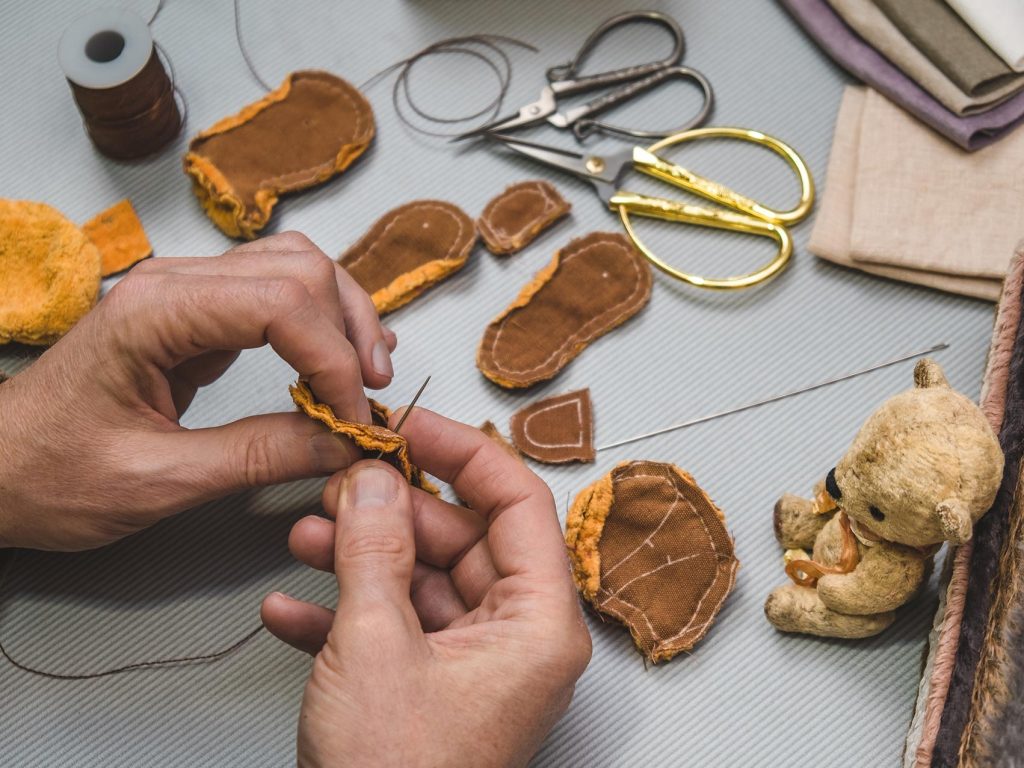
Pattern makers translate the design into fabric pieces that can be assembled into a three-dimensional object.
Pattern development must account for seam allowances, fabric stretch, stuffing volume, and the shape of individual components. A poorly developed pattern can result in uneven proportions or a toy that looks different from the original concept.
For complicated designs, several revisions may be necessary before the pattern is approved.
Sample Production
A prototype allows the buyer to assess the design before bulk manufacturing.
The sample should be checked for overall appearance, size, fabric feel, color, stitching, stuffing, and finishing. Buyers should compare it with the original artwork and document any requested changes.
If the sample is intended to serve as the production reference, all significant materials and components should match the proposed bulk specifications.
Material Sourcing and Preparation
After the sample is approved, the factory sources the required fabric, filling, thread, labels, and packaging.
Special colors or custom materials may require additional lead time. Buyers should ask whether the specified materials are readily available and whether minimum purchasing quantities apply.
Any proposed substitution should be reviewed before it is implemented, especially when it affects product appearance, durability, or compliance.
Cutting and Sewing
Fabric is cut according to the approved patterns. Accurate cutting helps maintain consistent dimensions and reduce unnecessary material waste.
Workers then sew the fabric pieces together, leaving suitable openings for turning and filling. Sewing accuracy is particularly important around curved shapes, narrow sections, and attachment points.
During this stage, production checks can help identify recurring defects before they affect a large quantity of products.
Stuffing and Shaping
The sewn shell is filled according to the product specification. Workers distribute the filling and shape the toy to match the approved sample.
The amount of stuffing should be controlled so that the finished product does not become excessively firm, overly loose, or visibly uneven.
The head, muzzle, body, limbs, and tail may each require different amounts of filling to maintain the intended proportions.
Embroidery and Final Assembly
Facial details, decorative patterns, labels, and other approved components are added during the appropriate production stage.
The factory should check alignment and consistency, especially when producing large quantities of the same design.
For products intended for children or dogs, construction methods should be reviewed in relation to the applicable safety requirements and intended use.
Finishing and Packaging
Finishing may include trimming excess threads, cleaning the fabric surface, correcting minor shaping issues, attaching labels, and checking the final appearance.
Products are then packed according to the agreed packaging plan. Carton quantities, carton dimensions, shipping marks, and required documentation should be verified before dispatch.
A structured production process makes it easier to identify problems and maintain consistent output.
Quality Control Standards for Premium Plush Dog Toys
Quality control helps ensure that finished products match the approved specifications. It also helps reduce customer complaints, prevent avoidable rework, and protect a brand’s reputation.
A Custom Plush Dog Toy Factory for Safe Soft Toys should establish quality checks appropriate to the product’s complexity and intended use.
Incoming Material Inspection
Incoming fabric and filling should be checked against the approved specifications. Relevant checks may include color, texture, visible defects, material identity, and documentation.
If a product requires specific material properties or testing, buyers should confirm that the documentation applies to the actual material being used.
In-Process Quality Checks
Production inspections can identify problems while the order is still being manufactured.
Examples include incorrect cutting dimensions, uneven stitching, misplaced embroidery, and inconsistent stuffing. Correcting these problems early may be more efficient than reworking completed products.
Finished Product Inspection
Final inspection evaluates the completed toy against the approved requirements.
| Prüfbereich | What to check | Zweck |
|---|---|---|
| Appearance | Shape, symmetry, cleanliness | Maintain visual consistency |
| Stoff | Color, texture, visible damage | Match approved materials |
| Stitching | Open seams, loose threads, irregular seams | Identify construction defects |
| Stuffing | Distribution, firmness, shape | Maintain intended appearance |
| Stickerei | Position, color, clarity | Preserve design accuracy |
| Attachments | Security and suitability | Identify potential detachment risks |
| Dimensions | Finished size and tolerances | Confirm product specifications |
| Etiketten | Content, placement, accuracy | Meet agreed labeling requirements |
| Verpackung | Protection, quantity, carton markings | Prepare the order correctly |
Inspection criteria should be defined before production. A clear standard helps both the buyer and manufacturer determine which defects require correction.
Safety and Compliance Testing
Visual inspection is not a substitute for required laboratory testing or conformity assessment.
Depending on the intended use and destination market, testing may involve mechanical and physical properties, chemical restrictions, flammability, or other product-specific requirements.
For products intended for dogs, buyers should also evaluate practical construction risks associated with biting, pulling, and possible ingestion of damaged components. Any claims about chew resistance should be supported by appropriate evidence.
A responsible manufacturer should cooperate with the buyer’s testing and documentation process. Buyers remain responsible for verifying the requirements that apply to their products and sales channels.
How to Choose a Reliable Custom Plush Dog Toy Factory for Safe Soft Toys
Supplier selection has a direct effect on product quality, delivery schedules, and overall purchasing costs. A structured evaluation process can help businesses distinguish capable manufacturers from suppliers that may not meet their requirements.
Check Relevant Manufacturing Experience
Ask whether the factory has produced plush dogs or similar products before. Experience with comparable designs can help a supplier anticipate challenges involving pattern development, fabric selection, and finishing.
Request examples of relevant work and discuss how the manufacturer manages design changes and sample revisions.
Review Sample Quality
Samples provide practical evidence of the supplier’s manufacturing capability.
Inspect the fabric, dimensions, shape, stitching, stuffing, embroidery, and finishing. If the product will be used by children or dogs, also consider the relevant safety and durability requirements.
Do not rely solely on photographs because images may not reveal texture, construction quality, or the performance of attachments.
Evaluate Communication
Good communication is essential for customized manufacturing. A reliable supplier should be able to explain production methods, identify missing information, confirm specifications, and communicate potential delays.
Buyers should establish clear approval procedures and keep written records of important decisions.
Understand Production Capacity
Ask how the supplier manages order scheduling, material sourcing, and peak production periods. Capacity should be evaluated in relation to the specific product and quantity rather than based only on general claims about factory size.
For seasonal merchandise, allow enough time for sample revisions, manufacturing, inspection, and transportation.
Confirm Quality Management
Discuss how the factory inspects incoming materials, checks production, evaluates finished products, and handles rejected items.
The supplier should be able to describe a repeatable quality process rather than relying entirely on informal checks.
Review Commercial Terms
The quotation should explain what is included in the price. Buyers should confirm whether sample development, labels, packaging, testing coordination, inspection, and shipping are included or charged separately.
A transparent quotation makes it easier to compare suppliers and calculate the total landed cost.
Pricing Factors for Custom Plush Dog Toy Manufacturing
The price of a custom plush dog toy depends on several factors. Understanding these variables helps buyers develop realistic budgets and avoid unnecessary expenses.
Design Complexity
Simple designs may require fewer pattern pieces and less assembly time. Complex products with multiple fabric colors, detailed embroidery, unusual shapes, or numerous components may require more development work and production labor.
Simplifying unnecessary details can reduce costs without significantly changing the overall appearance.
Fabric and Filling Selection
Material prices vary according to composition, quality, texture, color, and availability.
Custom fabrics may involve minimum purchasing quantities or additional setup costs. Buyers should confirm availability early, particularly when the design uses unusual colors or textures.
Product Size
Larger plush dogs generally require more fabric and filling. They may also take up more space during storage and shipping.
However, the relationship between size and price is not always linear. A smaller toy with complicated construction may be more labor-intensive than a larger, simpler product.
Order Quantity
Larger orders may spread certain development and setup costs across more units. However, ordering too many products can create excess inventory and tie up working capital.
Businesses should estimate demand carefully and compare different order quantities before making a purchasing decision.
Customization and Packaging
Embroidery, woven labels, printed tags, special accessories, and custom boxes can increase the total project cost.
Buyers should prioritize the features that contribute most to the product’s value and customer appeal.
| Cost factor | Possible effect | Practical approach |
|---|---|---|
| Complex design | More sampling and labor | Simplify nonessential details |
| Premium fabric | Higher material cost | Compare samples and specifications |
| Large product size | Increased material and shipping needs | Optimize dimensions |
| Low order quantity | Higher unit cost in some cases | Compare several quantity options |
| Custom embroidery | Added setup and production work | Confirm artwork and placement early |
| Special packaging | Additional materials and assembly | Match packaging to the sales channel |
| Testing requirements | Additional testing expenses | Identify applicable requirements in advance |
| International shipping | Higher landed cost | Compare suitable shipping arrangements |
The goal should be to achieve the right balance between quality, price, safety, and commercial demand.
Minimum Order Quantities and Sample Development
Minimum order quantity, or MOQ, is another important factor when selecting a Custom Plush Dog Toy Factory for Safe Soft Toys.
The MOQ may vary according to the design, fabric, color, packaging, and production process. Standard products may have different minimum quantities from fully customized designs.
Why Minimum Order Quantities Differ
Custom production can involve pattern development, material purchasing, embroidery setup, and packaging preparation. These activities may create costs before the first finished toy is produced.
Some factories may accept relatively small orders for simple designs, while other products require larger quantities to make production commercially practical.
Buyers should clarify whether the MOQ applies to the entire order, each design, each color, or each packaging variation.
Sample Fees and Revision Policies
Sample development gives buyers an opportunity to evaluate the product before committing to mass production.
Sample fees may cover pattern making, materials, labor, embroidery, and shipping. The factory should explain how many revisions are included and whether sample charges can be credited toward a future bulk order.
These terms should be agreed upon before development begins.
Planning the First Order
For a new product, a manageable first order can help test market demand. Businesses can evaluate customer feedback before investing in larger quantities.
However, smaller orders may have higher per-unit costs. Buyers should compare the cost of sampling, production, inventory storage, and potential unsold stock before deciding on the best quantity.
Branding and Packaging Strategies for Better Market Appeal
A well-designed plush dog toy can become more commercially attractive when its branding and packaging are planned carefully.
Develop a Recognizable Product Identity
Distinctive facial features, coordinated colors, and consistent design details can help customers recognize a product collection.
Businesses should establish clear design guidelines if they plan to release several dog breeds or character variations. Consistency across the collection can improve shelf presentation and strengthen brand identity.
Use Branding Appropriately
Custom labels and embroidery can support brand recognition without overwhelming the toy’s appearance.
For example, a small woven label may be suitable for a minimalist design, while a branded hangtag may provide more room for product information.
All branding should be authorized and accurately reproduced.
Match Packaging to the Sales Channel
Retail stores, online shops, promotional campaigns, and gift businesses may require different packaging approaches.
Retail products may benefit from attractive display packaging. E-commerce products may need packaging that protects the fabric during transportation while controlling shipping dimensions.
The best packaging is not necessarily the most expensive. It should protect the product, meet relevant requirements, and fit the brand’s positioning.
Provide Accurate Product Information
Packaging and online listings should describe the product accurately, including its intended use, materials where relevant, care information, and applicable warnings.
Avoid describing a plush toy as indestructible, completely risk-free, or suitable for every age group or animal unless those claims are properly supported.
A Custom Plush Dog Toy Factory for Safe Soft Toys should work with the buyer to ensure that product presentation matches the actual design and capabilities.
Common Mistakes to Avoid When Sourcing Custom Plush Dog Toys
Even a promising design can encounter problems if the sourcing process is not managed carefully.
Choosing a Factory Based Only on Price
A low quotation may reflect different materials, limited customization, lower inspection standards, or excluded services. Buyers should compare equivalent specifications and consider the potential cost of defects and delays.
Skipping Physical Sample Approval
Photographs may not accurately represent fabric texture, filling firmness, or construction quality. Buyers should approve a suitable physical sample before bulk production whenever practical.
Failing to Define Intended Use
A decorative stuffed animal and a dog toy have different practical requirements. Unclear intended use can lead to unsuitable materials, construction choices, and product claims.
The buyer should communicate the target audience and expected use before the manufacturer finalizes the design.
Ignoring Compliance Requirements
Requirements vary by product category and destination market. Buyers should identify applicable testing, labeling, and documentation requirements before production.
Changing the Design Too Late
Late changes to fabric, size, embroidery, or packaging can increase costs and delay delivery. Finalizing the main specifications early helps the manufacturer plan materials and production.
Underestimating Delivery Time
Custom production includes development, sampling, sourcing, manufacturing, inspection, and transportation. Seasonal products may require additional planning because demand and factory workloads can change.
Businesses should establish a realistic schedule and leave room for revisions or corrective action.
Sustainable Material Choices and Responsible Production
Some brands are increasingly interested in recycled materials, more efficient production, and reduced packaging waste. A Custom Plush Dog Toy Factory for Safe Soft Toys may be able to support these goals, depending on its sourcing network and manufacturing capabilities.
Recycled Fabric Options
Certain plush fabrics and filling materials may contain recycled polyester. Buyers should request specifications and supporting documentation that identify the relevant components and recycled content.
Claims should be based on verifiable information and comply with the rules applicable to the intended market.
Reducing Fabric Waste
Efficient pattern placement can reduce unused fabric during cutting. Reviewing designs for unnecessary complexity may also reduce material consumption and assembly time.
These measures can improve production efficiency while helping businesses manage costs.
Choosing Practical Packaging
Packaging should protect the product while avoiding unnecessary material use. Paper-based packaging or reduced packaging may be appropriate for some products, depending on shipping conditions and retail requirements.
Packaging decisions should consider moisture, cleanliness, crushing, and the need to maintain the product’s appearance.
Building Longer-Term Supplier Relationships
Working with a consistent manufacturer can make it easier to maintain specifications, review material alternatives, and improve production planning.
Responsible sourcing requires more than a single material claim. Buyers should evaluate documentation, product performance, packaging, and supplier practices according to their own business objectives.
Building a Long-Term Partnership with a Custom Plush Dog Toy Factory for Safe Soft Toys

Long-term cooperation can improve product consistency and reduce the time required to develop future collections.
Maintain Approved Product Specifications
Keep written records of the approved design, dimensions, materials, colors, embroidery, construction, and packaging.
A reference sample can help both parties evaluate repeat orders. If any component changes, the revised specification should be documented and approved.
Establish Clear Communication Procedures
Decide who will manage design approvals, production updates, quality issues, and shipping arrangements.
Written confirmation of important decisions can reduce misunderstandings, especially when a project includes several designs or multiple rounds of revisions.
Review Quality After Delivery
After receiving an order, inspect the products and record any recurring problems. Feedback should be specific enough to support corrective action.
For example, noting that a certain seam is consistently uneven gives the manufacturer more useful information than simply describing the overall quality as unsatisfactory.
Plan Future Orders Based on Demand
Sales data can help businesses identify popular sizes, colors, and character designs. This information can guide future orders and reduce the risk of excess inventory.
A reliable manufacturing partner should be willing to discuss reasonable production adjustments as product demand develops.
Protect Designs and Intellectual Property
Businesses developing original plush dog characters should clarify ownership of artwork, patterns, and other custom materials.
Written agreements can establish whether the factory may reuse a design, display it in promotional materials, or manufacture similar products for other customers. Appropriate legal protection may be necessary for valuable or distinctive intellectual property.
Wenn Sie Plüschtiere oder andere Dienstleistungen benötigen, wenden Sie sich bitte an uns!
E-Mail: meng@wanroutoy.com
WhatsApp: +86 15227096178
Telefon:+86 15127203823
Facebook: https://www.facebook.com/profile.php?id=61592234474894
Fazit
Choosing a reliable Custom Plush Dog Toy Factory for Safe Soft Toys is an important step for businesses that want to develop distinctive plush products with consistent quality and strong market appeal.
The right manufacturing partner can help turn an initial idea into a finished product through design consultation, pattern development, material selection, sample production, sewing, stuffing, finishing, and packaging. Customization options such as breed-inspired shapes, personalized colors, embroidery, branded labels, and retail packaging can help businesses create products that stand out in competitive markets.
However, appearance and price should not be the only selection criteria. Buyers should evaluate fabric quality, seam construction, stuffing consistency, production experience, communication, inspection procedures, and the manufacturer’s ability to support applicable compliance requirements.
It is equally important to define the product’s intended use. Decorative plush toys, children’s stuffed animals, and plush toys designed for dogs can have different safety and performance requirements. Buyers should ensure that the design, construction, labeling, and product claims are appropriate for the intended audience.
A structured sourcing process can reduce avoidable risks. Prepare a clear product brief, compare detailed quotations, review physical samples, confirm specifications, and establish a suitable quality inspection plan before mass production. Businesses should also consider total landed cost, realistic delivery schedules, and the potential benefits of a long-term supplier relationship.
Ultimately, a Custom Plush Dog Toy Factory for Safe Soft Toys should offer more than attractive designs and competitive prices. It should provide clear communication, dependable production processes, consistent quality, and practical support throughout product development.
By choosing a manufacturer carefully and managing each stage of production professionally, businesses can create appealing plush dog toys, strengthen customer confidence, and build a foundation for sustainable growth.
Häufig gestellte Fragen
What Should I Look for in a Custom Plush Dog Toy Factory for Safe Soft Toys?
Look for relevant manufacturing experience, quality samples, flexible customization services, clear communication, documented quality control procedures, and support for applicable testing requirements. Confirm materials, dimensions, intended use, packaging, pricing, and production schedules before placing an order.
Can I Customize the Size, Color, and Shape of Plush Dog Toys?
Yes, many factories offer customization for size, fabric, color, shape, facial details, embroidery, labels, and packaging. The available options depend on the manufacturer’s capabilities and the complexity of the design. Provide reference artwork and approve a physical sample before mass production.
How Can I Check the Quality of Custom Plush Dog Toys?
Evaluate the physical sample and establish written specifications for fabric, stitching, dimensions, stuffing, embroidery, attachments, and packaging. Arrange suitable production or final inspections when necessary. For products subject to safety regulations, confirm that required testing and documentation cover the actual product.
What Factors Affect the Cost of Custom Plush Dog Toys?
The main factors include design complexity, product size, fabric selection, filling materials, customization, order quantity, sample development, packaging, and testing requirements. International shipping and import charges also affect the final landed cost. Comparing itemized quotations helps buyers make informed purchasing decisions.
How Do I Start Working with a Custom Plush Dog Toy Factory for Safe Soft Toys?
Prepare a product brief with design references, dimensions, preferred materials, intended use, target quantity, branding requirements, destination market, and delivery expectations. Contact suitable factories, compare quotations, review samples, verify relevant safety requirements, and approve the final specifications before beginning bulk production.