Introduction
Childhood is a wonderful stage filled with imagination, curiosity, discovery, and countless memorable moments. Every child deserves toys that bring happiness, encourage creativity, and provide comfort during everyday activities. Among the many toys available today, plush toys remain one of the most popular choices for children of different ages. Their soft textures, adorable appearances, friendly designs, and comforting qualities make them special companions that children can enjoy at home, during travel, and even at bedtime.
Plush Toys for Kids That Bring Endless Smiles are more than ordinary stuffed animals. They combine entertainment, emotional comfort, imaginative play, and decorative value in one appealing product. Whether children love teddy bears, rabbits, puppies, dinosaurs, cartoon characters, or colorful fantasy creatures, plush toys offer endless opportunities for fun and meaningful experiences.
Parents often look for toys that are attractive, comfortable, durable, and suitable for their children’s developmental needs. Plush toys can meet many of these expectations when they are designed and manufactured with appropriate materials, careful construction, and child-friendly features.
For retailers, wholesalers, gift shops, and toy brands, the demand for high-quality plush products also creates valuable business opportunities. Families regularly purchase stuffed animals for birthdays, holidays, celebrations, rewards, and everyday surprises. This makes plush toys an important category in the global children’s toy market.
In this article, we will explore why Plush Toys for Kids That Bring Endless Smiles are so popular, what features make them appealing, how to choose suitable products, and what manufacturers should consider when developing attractive plush collections.
Why Plush Toys Are So Popular Among Children

Plush toys have maintained their popularity for generations. Although electronic toys, interactive devices, and digital entertainment have become increasingly common, traditional stuffed animals continue to hold a special place in children’s lives.
One important reason is their simplicity. Children do not need complicated instructions, batteries, or electronic controls to enjoy a plush toy. They can hug it, carry it, talk to it, create stories with it, and include it in almost any imaginative activity.
Plush Toys for Kids That Bring Endless Smiles appeal to children because they combine several enjoyable characteristics.
Soft and comfortable materials
Soft fabrics create a pleasant tactile experience. Children enjoy touching, hugging, and holding plush toys because their surfaces feel gentle and comfortable. Popular materials include short plush, long plush, velboa, fleece, and other suitable textile fabrics.
Attractive appearances
Colorful designs, friendly facial expressions, cute animal shapes, and interesting details make plush toys visually appealing. A smiling teddy bear or adorable rabbit can quickly become a child’s favorite companion.
Simple and flexible entertainment
Unlike toys designed for only one specific activity, plush toys can become almost anything in a child’s imagination. A stuffed dog might become a brave explorer, while a plush dinosaur might become the main character in an exciting adventure.
Emotional companionship
Children sometimes develop strong attachments to their favorite stuffed animals. They may take them to bed, bring them on family trips, or hold them when experiencing unfamiliar situations.
Suitable for different occasions
Plush toys are popular birthday gifts, Christmas presents, baby shower gifts, holiday souvenirs, and everyday rewards.
These qualities explain why Plush Toys for Kids That Bring Endless Smiles continue to attract attention from parents, gift buyers, and toy retailers.
How Plush Toys Support Children’s Emotional Development
Play is an important part of childhood development. Children learn about the world through experiences, relationships, and activities that allow them to express their thoughts and feelings.
Plush toys can become useful companions during this process.
Providing Comfort and Security
Young children often experience different emotions throughout the day. They may feel excited when playing, nervous when entering a new environment, or uncomfortable when separated from familiar people.
A favorite stuffed animal can provide a familiar object that children associate with comfort and positive experiences.
For example, a child starting preschool might bring a small plush rabbit along. Having a familiar toy nearby may help make the new environment feel less intimidating.
Similarly, children who travel frequently may enjoy bringing their favorite stuffed animal in a backpack. Its familiar appearance and texture can create a sense of continuity when they are away from home.
Encouraging Emotional Expression
Children do not always have the vocabulary needed to explain their emotions. Playing with plush toys can provide an imaginative way to explore different feelings.
A child might pretend that a teddy bear feels sad, happy, excited, or frightened. Through these activities, children can practice identifying emotions and expressing themselves.
Parents can also participate by asking simple questions:
- Why is the teddy bear feeling unhappy?
- What can we do to make the rabbit feel better?
- Is the little puppy excited about going outside?
- How can we help our stuffed animal feel comfortable?
These conversations can encourage children to think about emotions and understand different perspectives.
Developing a Sense of Responsibility
Some children enjoy treating their stuffed animals as little family members or friends.
They may arrange a sleeping area, pretend to prepare meals, brush the toy’s fur, or take it on imaginary trips.
These activities introduce simple ideas about responsibility and caring for others.
Although plush toys cannot replace real relationships or adult guidance, they can provide an enjoyable environment for practicing nurturing behaviors.
Different Types of Plush Toys for Kids
The plush toy market offers an extensive range of designs, materials, shapes, and functions. Understanding these categories can help parents and businesses choose products that match different preferences.
Animal Plush Toys
7 Best Wholesale Stuffed Animals for Resale in 2026: The Ultimate Reta – Myminipets
O.B Designs | Bella Rose Pink Bunny – Bubba & Bear Kids Boutique
Keel Toys – Pluche knuffels combi-set dieren panter en olifant 25 cm | bol
8
Animal plush toys are among the most recognizable products in the children’s toy market.
Common designs include:
- Teddy bears
- Rabbits and bunnies
- Puppies and kittens
- Elephants
- Lions and tigers
- Pandas
- Giraffes
- Monkeys
- Penguins
- Dinosaurs
Animal designs are popular because children can recognize many of these creatures from books, cartoons, educational programs, and real-life experiences.
A plush elephant can introduce children to wildlife, while a stuffed rabbit can become a comforting bedtime companion.
Manufacturers can also create different expressions, colors, clothing styles, and sizes to develop distinctive animal collections.
Cartoon and Character Plush Toys
Wholesale kawaii plushies for your store
Pastel Fantasy Fox Plushies – Super Anime Store
13
Cartoon-inspired plush toys are especially attractive to children who enjoy imaginative stories and colorful characters.
These products may feature:
- Friendly cartoon animals
- Fantasy creatures
- Smiling food characters
- Colorful monsters
- Original fictional characters
- Story-inspired designs
Character plush toys provide opportunities for storytelling and role-playing. Children can invent personalities, create imaginary friendships, and develop stories around their favorite toys.
For toy brands, original character designs can also help establish a recognizable product identity.
Mini Plush Toys
Mini plush toys are compact, lightweight, and convenient to carry.
Children can put them in school bags, travel backpacks, or small storage boxes. Their smaller dimensions also make them suitable for themed gift sets and collectible product collections.
Retailers often prefer mini plush toys because they can be sold individually or packaged in assorted collections.
Large Plush Toys
IKASA Giant Teddy Bear Plush Toy – 63-Inch Brown Huggable Bear – ToyTerrax
Large plush toys create a different experience from miniature stuffed animals.
Their impressive size makes them attractive gifts and decorative products. Some children enjoy using larger stuffed animals as comfortable companions when sitting, reading, or relaxing.
Large plush products require suitable filling materials and strong construction. Manufacturers should pay particular attention to seam strength, fabric durability, and product weight.
Interactive Plush Toys
Interactive plush toys combine traditional soft toy designs with additional features.
Examples include toys with:
- Sound effects
- Music functions
- Light-up elements
- Voice recording features
- Simple movement mechanisms
- Educational sounds
These products can create additional entertainment opportunities, but their electronic components require careful design and appropriate safety testing.
For younger children, manufacturers should consider whether detachable components, batteries, or small accessories create potential hazards.
Important Features of High-Quality Plush Toys for Kids
Not all stuffed animals offer the same level of quality. Materials, manufacturing processes, construction details, and product design can significantly affect the overall experience.
When choosing Plush Toys for Kids That Bring Endless Smiles, several characteristics deserve particular attention.
Soft and Skin-Friendly Fabrics
Fabric is one of the first things children notice when interacting with plush toys.
A soft surface makes a toy more comfortable to touch and hug. Common fabric options include:
| Fabric Type | Main Characteristics | Common Applications |
|---|---|---|
| Short plush | Smooth and soft surface | Teddy bears and animal toys |
| Long plush | Fluffy appearance | Rabbits and decorative toys |
| Velboa | Smooth texture and fine appearance | Character plush toys |
| Fleece | Warm and comfortable feel | Cozy stuffed animals |
| Minky fabric | Soft and plush surface | Premium comfort toys |
| Cotton fabric | Natural textile appearance | Selected decorative designs |
The best fabric depends on the intended product design, target age group, appearance, and manufacturing requirements.
Parents should check product labels and care instructions instead of assuming that every soft fabric is automatically suitable for every child.
Safe and Appropriate Filling Materials
The filling determines the softness, shape, and overall feel of a plush toy.
Common filling options include polyester fiberfill, selected recycled polyester fillings, and other suitable stuffing materials.
Good filling should provide:
- Consistent softness
- Appropriate resilience
- Even distribution
- Suitable shape retention
- Compatibility with the outer fabric
Manufacturers need to select filling materials according to the product’s intended use and applicable safety requirements.
Uneven stuffing may create lumps or cause the toy to lose its original appearance. Proper filling techniques help maintain a consistent shape throughout production.
Strong Stitching and Reliable Construction
Durability is another important feature.
Children may hug, squeeze, carry, and play with their favorite plush toys frequently. Weak seams or poorly attached components can reduce product lifespan and create safety concerns.
Important construction details include:
- Reinforced seams
- Securely attached decorative components
- Consistent stitching
- Properly finished fabric edges
- Reliable stuffing containment
For products intended for young children, embroidered facial features may be preferable to detachable plastic eyes or other small decorative components, depending on the applicable product safety requirements.
Attractive Colors and Friendly Designs
Visual appearance strongly influences children’s interest.
Bright colors can create a playful atmosphere, while pastel colors may provide a softer and more relaxing appearance.
Popular color combinations include:
| Color Style | Visual Effect | Suitable Plush Designs |
|---|---|---|
| Pastel pink | Sweet and gentle | Rabbits and bears |
| Light blue | Calm and friendly | Elephants and puppies |
| Cream and beige | Warm and classic | Teddy bears |
| Bright yellow | Cheerful and energetic | Ducks and cartoon characters |
| Lavender | Cute and imaginative | Fantasy creatures |
| Green | Fresh and playful | Dinosaurs and frogs |
A successful plush design should combine appealing colors with a recognizable shape and friendly expression.
How Plush Toys Encourage Creativity and Imaginative Play
Children naturally enjoy creating stories from ordinary objects. A simple stuffed animal can become a central character in an imaginative world.
This is one of the most valuable qualities of traditional plush toys.
Creating Imaginary Adventures
A plush bear can become an explorer traveling through a jungle. A stuffed rabbit might become a chef preparing imaginary meals. A plush dinosaur could become the hero of a prehistoric adventure.
These activities allow children to experiment with ideas and develop their storytelling abilities.
Parents can encourage this process by participating in imaginative games.
For example, they might build a small pretend house for the toys, create an imaginary forest, or organize a stuffed animal picnic.
Developing Communication Skills
Children often talk to their stuffed animals during play.
They may describe what they are doing, invent conversations, or create different voices for individual characters.
These activities can help children practice language and communication in a relaxed environment.
Parents can encourage communication by asking children to explain their stories or describe the personalities of their plush companions.
Learning Through Role-Playing
Role-playing allows children to explore familiar experiences in a playful way.
For example, a child might pretend to be a teacher while their plush animals act as students. Another child might create a pretend veterinary clinic and practice caring for stuffed puppies and rabbits.
These activities can introduce everyday concepts while allowing children to experiment with different roles.
Building Social Play Experiences
Plush toys can also become part of group activities.
Children may organize pretend birthday parties, create imaginary adventures, or exchange stories about their favorite stuffed animals.
When children play together, they can practice taking turns, sharing ideas, and cooperating with others.
Choosing the Right Plush Toys for Different Age Groups
Children have different interests and developmental needs at different ages. Therefore, parents should consider age recommendations and product safety when selecting stuffed animals.
| Age Group | Suggested Plush Toy Features | Important Considerations |
|---|---|---|
| Infants | Simple designs and soft materials | Follow safe sleep guidance and age-specific safety requirements |
| Toddlers | Durable and easy-to-clean designs | Avoid accessible small parts |
| Preschool children | Animal and character designs | Encourage imaginative play |
| School-age children | Story-inspired and collectible plush toys | Consider personal interests |
| Older children | Decorative and themed plush products | Focus on style and individual preferences |
Plush Toys for Babies
When choosing plush toys for babies, safety should always be the highest priority.
Parents should carefully follow product age recommendations and applicable infant safety guidance.
Soft toys, pillows, blankets, and other loose objects should not be placed in an infant’s sleep environment. A safe sleep space should follow current pediatric recommendations.
For supervised play outside the sleep environment, parents should select appropriate products and inspect them regularly.
Plush Toys for Toddlers
Toddlers are often attracted to recognizable animals, simple shapes, and bright colors.
Products designed for this age group should be durable and easy to maintain.
Avoid toys with detachable small components that could present choking hazards.
Plush Toys for Preschool Children
Preschool children often enjoy toys that encourage storytelling and role-playing.
Animal collections, fantasy characters, and colorful cartoon plush toys can provide many opportunities for imaginative activities.
Parents can also introduce educational themes by selecting stuffed animals that represent different animals, environments, or occupations.
Plush Toys for School-Age Children
Older children may have more specific preferences.
Some prefer realistic animal designs, while others enjoy fantasy creatures, cartoon characters, or collectible plush toys.
Personal interests become increasingly important when selecting gifts for this age group.
Plush Toys for Kids as Meaningful Gifts
Plush toys are popular gifts because they combine visual appeal, emotional value, and practical versatility.
They are suitable for many occasions and can be personalized to create more memorable experiences.
Birthday Gifts
A cute plush toy can make a birthday celebration more special.
Parents can select an animal that matches the child’s interests or choose a character that reflects their personality.
For younger children, a soft teddy bear or rabbit may be an appealing choice. Older children might prefer a fantasy creature or themed character.
Christmas Gifts
Custom Christmas Plush Toys – CustomPlushMaker | Holiday Deals
Christmas is one of the most popular occasions for giving stuffed animals.
Holiday-themed plush products may feature Santa hats, snowman designs, reindeer shapes, or festive clothing.
These toys can also become seasonal decorations for bedrooms and family living spaces.
Baby Shower Gifts
Plush toys are frequently included in baby shower gift collections.
Soft animal designs, neutral colors, and coordinated gift packaging can create an attractive presentation.
However, buyers should always distinguish between decorative plush gifts and products specifically designed and tested for infant use.
Personalized Gifts
Personalization can make plush toys more distinctive.
Possible customization options include:
- Embroidered names
- Custom clothing
- Personalized colors
- Special facial expressions
- Unique accessories
- Custom packaging
Personalized plush toys are particularly suitable for gift businesses and brands looking to develop exclusive product collections.
How to Select Plush Toys for Kids That Offer Long-Term Value
Parents and gift buyers often want toys that remain attractive and usable over time.
A product’s long-term value depends on several factors, including materials, construction, maintenance, design, and suitability for the intended user.
Check the Product’s Overall Construction
Before purchasing a plush toy, inspect its seams, surface fabric, and attached decorations.
Look for uneven stitching, loose threads, damaged fabric, or exposed filling.
A well-constructed product should maintain its basic shape during ordinary use.
Consider Cleaning Requirements
Children’s toys can accumulate dust, dirt, and everyday stains.
Some plush toys are machine washable, while others require gentle hand washing or surface cleaning.
Always follow the manufacturer’s cleaning instructions.
| Cleaning Method | Suitable Situations | Important Notes |
|---|---|---|
| Machine washing | Products labeled machine washable | Use the recommended cycle |
| Hand washing | Delicate plush materials | Avoid excessive rubbing |
| Surface cleaning | Toys with non-washable components | Use suitable cleaning products |
| Air drying | Many washable plush products | Dry completely before storage |
Proper drying is especially important because trapped moisture may lead to unpleasant odors or material deterioration.
Choose Designs Children Can Enjoy Over Time
Some toys are attractive because of short-term trends, while others have timeless appeal.
Classic teddy bears, rabbits, puppies, and other familiar animals often remain popular for years.
Simple, friendly designs can also be easier to incorporate into different play activities.
Consider Storage and Portability
Large plush toys can be attractive gifts, but smaller products may be more convenient for travel and storage.
Parents should consider available bedroom space and whether children want to carry their toys outside the home.
Manufacturing Process Behind Quality Plush Toys for Kids
For manufacturers and wholesale buyers, understanding the production process is essential when developing reliable plush products.
Plush Toys for Kids That Bring Endless Smiles require more than attractive designs. Consistent production quality, appropriate material selection, and careful inspection all contribute to the finished product.
Design Development
The manufacturing process usually begins with an idea, sketch, reference image, or character concept.
Designers determine the toy’s overall shape, dimensions, facial expression, color combination, and decorative details.
For custom plush products, buyers may provide artwork or reference samples.
Manufacturers then transform the concept into technical drawings and production specifications.
Pattern Making
Pattern making determines how individual fabric pieces will fit together.
Each component must be carefully designed to create the intended three-dimensional shape.
Common pattern components include:
- Head sections
- Body panels
- Arms and legs
- Ears and tails
- Decorative fabric elements
Accurate patterns help reduce production errors and improve consistency across multiple products.
Fabric Cutting
After selecting the appropriate fabric, manufacturers cut the material according to the approved patterns.
Cutting accuracy is important because incorrectly sized components may affect the final shape.
For large production orders, organized material preparation also helps improve efficiency.
Sewing and Assembly
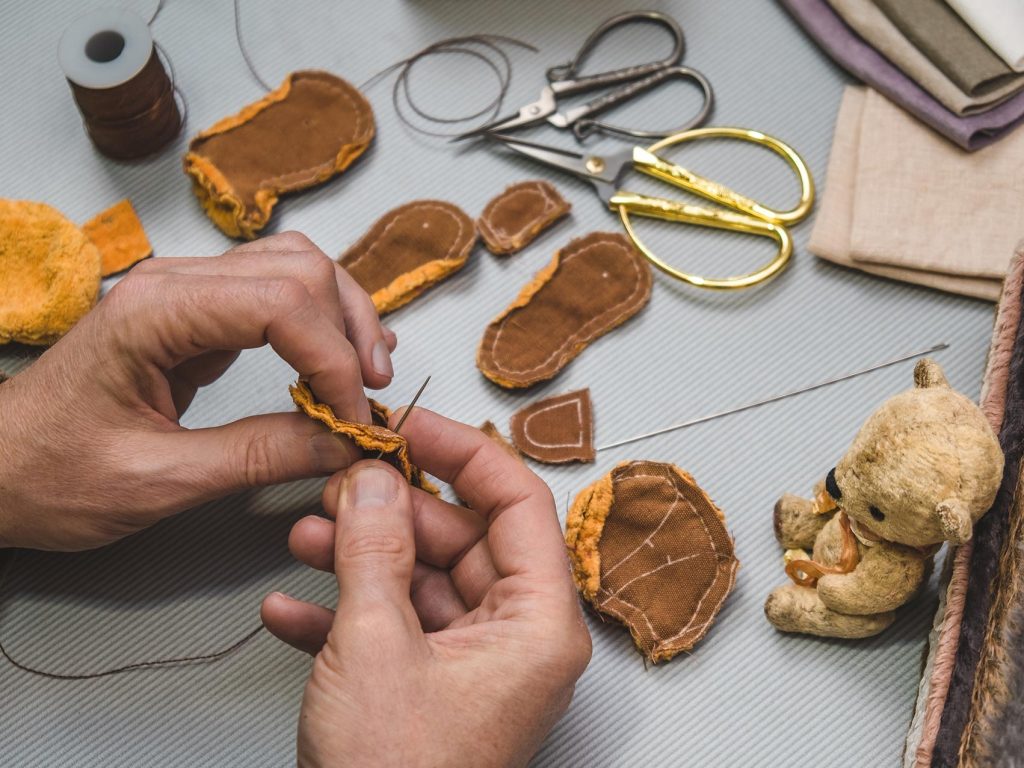
The cut fabric pieces are sewn together to create the basic toy structure.
Different components are assembled according to the product design.
Workers must pay attention to seam alignment, stitching consistency, and the placement of individual parts.
Filling and Shaping
The assembled fabric shell is filled with suitable stuffing material.
The amount and distribution of filling influence the toy’s softness, appearance, and shape.
Manufacturers should avoid excessive or insufficient filling because either condition can affect the finished product.
Facial Details and Decoration
Facial features help create the personality of a plush toy.
Embroidered eyes, noses, mouths, and other details can make a stuffed animal appear friendly and expressive.
For children’s products, decorative components must be selected and attached according to applicable safety standards.
Quality Inspection
Finished plush toys should undergo appropriate inspection before packaging.
Inspection may include:
- Fabric quality checks
- Stitching assessments
- Shape consistency
- Filling distribution
- Component attachment checks
- Cleanliness inspections
- Applicable safety testing
A systematic quality control process helps manufacturers maintain consistent product standards.
Important Safety Standards for Children’s Plush Toys
Safety is one of the most important purchasing considerations for children’s products.
Parents should not judge a plush toy’s safety based only on its appearance or softness. Products should be manufactured, tested, and labeled according to the requirements of their intended markets.
Different countries and regions may apply different standards.
For example, children’s toys sold in the United States may need to comply with relevant requirements under ASTM F963 and applicable Consumer Product Safety Commission regulations.
Products sold in the European Union must meet applicable toy safety legislation and relevant conformity requirements.
Manufacturers and importers should understand the specific rules that apply to their products.
Important safety considerations include:
| Safety Area | What to Check |
|---|---|
| Material safety | Appropriate testing for restricted substances |
| Small components | Choking hazards and attachment security |
| Seam strength | Resistance to opening during intended use |
| Fabric quality | Suitable materials and finishing |
| Flammability | Applicable market requirements |
| Product labeling | Age grading and required warnings |
| Cleaning instructions | Clear and accurate care information |
Safety requirements can vary depending on product design, target age, and sales market.
Buyers should request relevant test reports and compliance documentation from suppliers rather than relying on general statements such as safe materials or premium quality.
Why Custom Plush Toys Are Becoming Popular
Customization allows brands and businesses to develop products that are different from ordinary mass-market stuffed animals.
Instead of choosing only standard designs, buyers can work with manufacturers to create products that match their target customers.
Unique Character Development
Businesses can transform original illustrations, mascots, and fictional characters into plush products.
This is especially useful for companies developing merchandise around their brand identity.
A distinctive plush character can become a recognizable product that customers associate with a particular business.
Custom Sizes and Shapes
Different markets have different preferences.
Some customers prefer compact plush toys that are easy to carry, while others enjoy oversized stuffed animals.
Manufacturers can adjust product dimensions to suit different requirements.
Personalized Fabric and Colors
Custom fabric selection allows businesses to create specific textures and appearances.
For example, a brand may choose pastel fabrics for a gentle visual style or brighter materials for a playful children’s collection.
Custom Packaging
Packaging also contributes to the overall presentation.
Possible options include:
- Printed gift boxes
- Custom polybags
- Branded labels
- Hang tags
- Seasonal packaging
- Gift-ready presentation boxes
For wholesale businesses, coordinated packaging can help products stand out in retail environments.
Wholesale Opportunities in the Plush Toy Market
Plush toys are sold through numerous retail channels, making them an attractive product category for wholesalers and distributors.
Retail stores, online marketplaces, gift shops, children’s boutiques, and promotional merchandise companies all represent potential sales channels.
Why Retailers Choose Plush Toys
Several characteristics make plush toys suitable for retail businesses.
First, they are available in many price ranges and product sizes.
Second, they can be adapted to different seasonal themes and customer groups.
Third, they are suitable for various purchasing occasions, including birthdays, holidays, and everyday gifts.
Fourth, new designs can be introduced regularly to maintain customer interest.
Developing a Balanced Product Collection
Retailers should consider offering a mixture of product types rather than focusing on only one design.
For example:
| Product Category | Target Customers | Retail Opportunity |
|---|---|---|
| Classic teddy bears | Families and gift buyers | Everyday gifts |
| Animal plush toys | Children and animal lovers | General toy collections |
| Cartoon plush toys | Character fans | Themed merchandise |
| Mini plush toys | Collectors and children | Small gifts |
| Seasonal plush toys | Holiday shoppers | Seasonal promotions |
| Custom plush toys | Brands and organizations | Exclusive collections |
A balanced assortment allows businesses to reach customers with different preferences and budgets.
Working With Reliable Manufacturers
Choosing a suitable supplier is essential for wholesale buyers.
Important factors include manufacturing experience, sample quality, customization capabilities, production capacity, communication, and quality control procedures.
Buyers should request product samples before placing large orders.
They should also confirm minimum order quantities, production schedules, packaging requirements, shipping arrangements, and applicable compliance documentation.
Clear communication can help reduce misunderstandings and support long-term cooperation.
Current Design Trends in Plush Toys for Kids
The plush toy industry continues to evolve as consumer preferences, design styles, and retail opportunities change.
Although classic stuffed animals remain popular, several design directions offer opportunities for product development.
Kawaii-Inspired Designs
Kawaii-inspired plush toys are known for their adorable proportions, simple facial expressions, and charming colors.
Common characteristics include:
- Rounded bodies
- Large embroidered eyes
- Small mouths
- Pastel color combinations
- Soft and fluffy textures
These designs appeal to children and can also attract collectors.
Nature-Inspired Plush Toys
Nature-inspired products feature animals, plants, and creatures from different environments.
Examples include forest animals, ocean creatures, birds, insects, and dinosaurs.
These products can combine entertainment with opportunities for learning about nature.
Eco-Conscious Material Choices
Environmental awareness is becoming increasingly important in product development.
Some manufacturers are exploring recycled polyester filling, recycled textile fabrics, and packaging materials with reduced environmental impact.
However, sustainability claims should be supported by reliable material information and relevant documentation.
Buyers should distinguish between recycled content, recyclable packaging, and independently verified environmental claims.
Personalized Character Collections
Original characters can help brands develop recognizable product families.
A collection might include a bear, rabbit, cat, and dinosaur with coordinated colors and individual personalities.
This approach provides opportunities for repeat purchases and gift collections.
How to Care for Plush Toys and Keep Them Looking New
Regular care helps maintain the appearance and cleanliness of plush toys.
Although cleaning requirements vary by material and construction, several basic practices can help extend product life.
Follow Washing Instructions
Always read the care label before washing.
Some products can be machine washed, while others contain decorative materials or electronic components that require special treatment.
Using an unsuitable cleaning method may damage the fabric or change the toy’s shape.
Avoid Excessive Heat
High temperatures can affect certain synthetic fabrics and fillings.
Use the drying method recommended by the manufacturer.
If air drying is appropriate, allow the toy to dry completely before returning it to a child’s play area.
Inspect Toys Regularly
Parents should check plush toys for loose stitching, damaged seams, exposed stuffing, and detached components.
Damaged toys should be repaired appropriately or removed from use if they cannot be made safe.
Store Plush Toys Properly
When plush toys are not being used, keep them in a clean and dry environment.
Avoid damp storage areas and excessive exposure to direct sunlight, which may affect some fabrics and colors.
How to Make Plush Toys More Attractive to Children
A successful plush toy combines visual appeal, comfortable materials, thoughtful construction, and an engaging design.
Manufacturers can improve product attractiveness by paying attention to several details.
Create Recognizable Characters
Children are often drawn to familiar animal shapes.
A teddy bear, rabbit, puppy, or elephant can be made more distinctive through unique facial expressions, clothing, and color combinations.
Use Interesting Textures
Combining different suitable fabrics can create a more engaging tactile experience.
For example, a plush rabbit might feature a smooth body, fluffy ears, and a contrasting fabric nose.
Texture combinations should be carefully selected to maintain product durability and safety.
Develop Coordinated Collections
Instead of producing isolated products, brands can create themed collections.
A forest animal collection might include bears, foxes, rabbits, and owls.
An ocean collection could feature whales, dolphins, turtles, and octopuses.
Coordinated designs help retailers display multiple products together and encourage customers to explore the entire collection.
Consider Practical Product Sizes
Different sizes serve different purposes.
Small plush toys are convenient for travel and collecting, while medium-sized products are suitable for everyday play and gifting.
Large plush toys can create stronger visual impact in retail displays and gift presentations.
Common Mistakes to Avoid When Buying Plush Toys for Kids
Selecting a plush toy based only on appearance can lead to disappointing purchasing experiences.
Parents and wholesale buyers should evaluate several factors before making a decision.
Ignoring age recommendations
Not every stuffed animal is suitable for every age group. Always check the product’s intended age range and applicable warnings.
Choosing products without checking construction
Weak seams, loose decorations, and uneven filling may affect product quality and safety.
Overlooking cleaning requirements
Some plush toys require special care. Buyers should understand washing and maintenance instructions before purchasing.
Focusing only on low prices
An inexpensive product may not provide the durability or construction quality that customers expect.
Ignoring supplier documentation
Wholesale buyers should request relevant product specifications, test reports, and compliance information for their target markets.
Ordering large quantities without samples
Samples allow buyers to evaluate fabric, softness, color accuracy, stitching, and overall appearance before committing to larger production orders.
Avoiding these mistakes can help parents make more informed decisions and help businesses develop stronger product collections.
If you need plush toys or other services, please contact us!
Email: meng@wanroutoy.com
WhatsApp: +86 15227096178
Phone:+86 15127203823
Facebook: https://www.facebook.com/profile.php?id=61592234474894
Conclusion
Plush toys continue to be an important part of childhood because they offer a combination of comfort, entertainment, creativity, and emotional companionship. From classic teddy bears and adorable rabbits to colorful cartoon characters and imaginative fantasy creatures, these products provide children with countless opportunities to enjoy playful experiences.
Plush Toys for Kids That Bring Endless Smiles are appealing because they can become more than ordinary toys. They can accompany children during everyday adventures, encourage storytelling, support imaginative role-playing, and create memorable gift-giving experiences.
When choosing plush toys, parents should pay attention to fabric quality, filling materials, construction, age recommendations, and applicable safety requirements. Proper cleaning and regular inspection are also important for maintaining product condition.
For retailers, wholesalers, and toy brands, the plush toy market offers opportunities to develop distinctive collections through creative designs, customization, attractive packaging, and reliable manufacturing partnerships.
A successful plush toy combines an adorable appearance with thoughtful construction and appropriate materials. By focusing on these qualities, manufacturers and businesses can create products that appeal to children while meeting the expectations of parents and gift buyers.
Ultimately, Plush Toys for Kids That Bring Endless Smiles represent the simple happiness that a soft, friendly, and lovable toy can bring into everyday childhood experiences.
FAQ
What Makes Plush Toys for Kids So Popular?
Plush toys are popular because they combine soft materials, attractive designs, and flexible play opportunities. Children can hug them, carry them, include them in imaginative games, and use them as familiar companions. Their versatility also makes them suitable for birthdays, holidays, and everyday gifts.
What Materials Are Commonly Used to Make Plush Toys for Kids?
Common materials include short plush, long plush, velboa, fleece, minky fabric, and polyester fiberfill. The outer fabric determines the toy’s appearance and texture, while the filling influences its softness and shape. Manufacturers should select materials appropriate for the product’s intended age group and applicable safety requirements.
How Can Parents Choose Safe Plush Toys for Children?
Parents should check age recommendations, product labels, stitching quality, decorative components, and relevant safety information. Toys intended for younger children should not contain accessible small parts that may create choking hazards. Buyers should also follow applicable market safety requirements and manufacturer instructions.
Are Plush Toys Suitable for Different Age Groups?
Yes, plush toys are available in different designs and sizes for various age groups. However, product suitability depends on construction, materials, intended use, and age-specific safety considerations. Parents should always follow the manufacturer’s recommendations and avoid placing soft toys in an infant’s sleep environment.
Can Businesses Order Custom Plush Toys for Kids?
Yes. Many plush toy manufacturers offer customization services, including custom shapes, sizes, fabrics, colors, embroidery, character designs, and packaging. Businesses can provide artwork or product concepts to develop unique collections. Before placing a bulk order, buyers should request samples, confirm production requirements, and review relevant quality and safety documentation.