Introduction
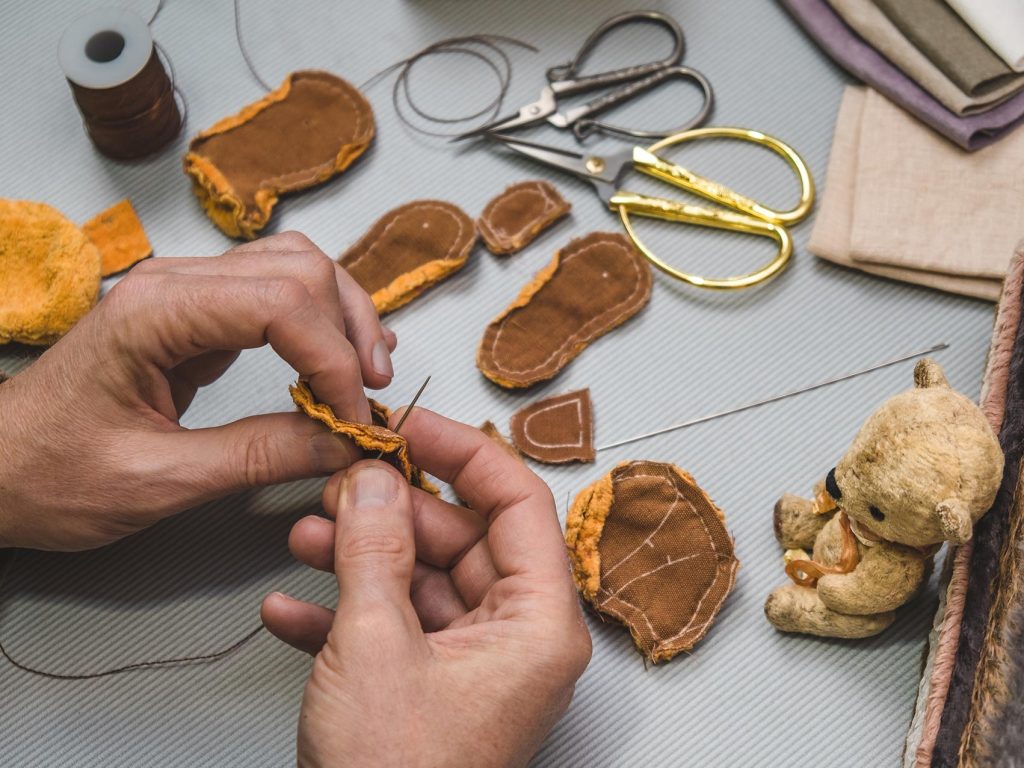
A Toy Plush Factory for Custom Plush Designs plays an important role in helping brands, retailers, entertainment companies, promotional businesses, and creative teams turn original ideas into finished plush products. Custom plush toys are no longer limited to traditional teddy bears or simple stuffed animals. Modern plush products can represent original characters, mascots, animals, cartoon figures, fantasy creatures, brand icons, educational characters, and many other creative concepts.
For businesses looking to develop a unique plush product, choosing the right Toy Plush Factory for Custom Plush Designs can make a major difference in product quality, development efficiency, customization options, and long-term production consistency. A professional factory can help transform sketches, illustrations, digital artwork, prototypes, or simple concepts into physical plush toys suitable for retail, promotional campaigns, gifts, collectibles, and other applications.
Custom plush manufacturing requires much more than sewing fabric together and adding stuffing. A successful plush toy involves design interpretation, material selection, pattern development, embroidery, printing, cutting, sewing, filling, shaping, quality inspection, packaging, and final testing. Every stage can affect the appearance, durability, safety, and commercial value of the finished product.
A Toy Plush Factory for Custom Plush Designs should therefore combine creative development with reliable manufacturing capabilities. Businesses need a factory that understands how to preserve important character details while adapting artwork to practical plush construction.
This article explores how a Toy Plush Factory for Custom Plush Designs works, the benefits of custom plush production, design and material considerations, manufacturing processes, customization options, quality control, packaging, pricing factors, and how businesses can choose an appropriate manufacturing partner.
What Is a Toy Plush Factory for Custom Plush Designs?
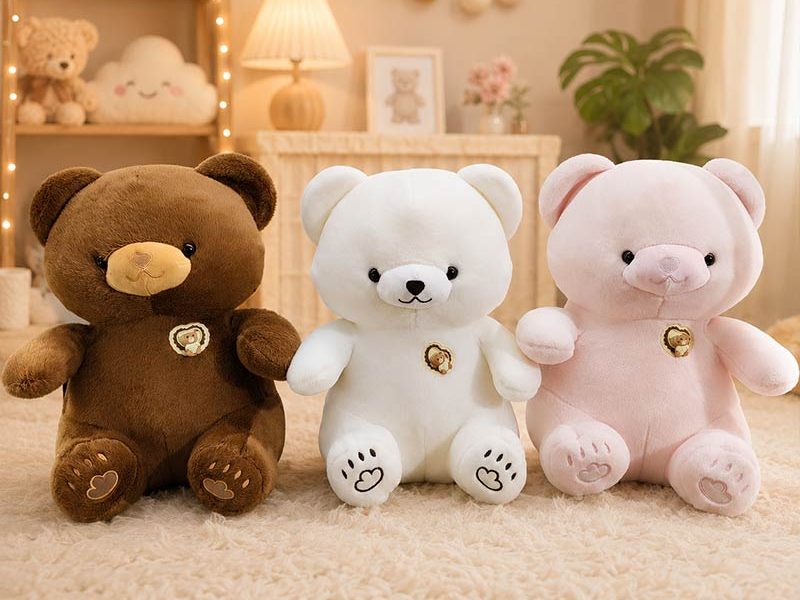
A Toy Plush Factory for Custom Plush Designs is a manufacturing facility specializing in the development and production of customized stuffed toys based on customer concepts or specifications.
Unlike standard plush toy production, custom manufacturing starts with a specific design requirement. A customer may provide a drawing, character illustration, product concept, logo, mascot, or digital model. The factory then converts that concept into a three-dimensional plush product.
The process often requires cooperation between designers, pattern makers, sample developers, sewing workers, embroidery specialists, quality control teams, and packaging staff.
A professional Toy Plush Factory for Custom Plush Designs can typically support several stages of product development.
| Production Stage | Main Purpose |
|---|---|
| Concept review | Understand the customer’s idea |
| 2D design analysis | Identify important visual details |
| Pattern development | Convert artwork into sewing patterns |
| Material selection | Choose suitable fabrics and components |
| Sample development | Create the first physical prototype |
| Sample revision | Adjust proportions and details |
| Mass production | Manufacture approved products |
| Quality control | Inspect finished plush toys |
| Packaging | Prepare products for shipment |
This complete process allows brands to develop products that are both visually appealing and suitable for manufacturing.
Why Choose a Toy Plush Factory for Custom Plush Designs?
The biggest advantage of working with a Toy Plush Factory for Custom Plush Designs is the ability to create a product specifically for a particular brand or market.
Standard plush toys are designed for general audiences. Custom plush toys are developed around a specific concept.
For example, a company may want a plush version of its mascot. A children’s brand may want a collection of animal characters. An entertainment company may want plush merchandise based on original characters. A promotional company may need small branded plush toys for events.
Customization allows these businesses to create products that are more closely connected to their identity.
Key Benefits of Custom Plush Production
- Unique product designs
- Brand-specific character development
- Custom colors
- Custom shapes
- Custom sizes
- Custom embroidery
- Custom labels
- Custom packaging
- Different fabric choices
- OEM and ODM possibilities
- Flexible product development
A Toy Plush Factory for Custom Plush Designs can also help businesses create multiple products from one original character.
A single character could become a small keychain plush, a standard stuffed toy, a large display plush, a pillow, or a collectible product.
From Concept to Finished Plush Toy
One of the most important aspects of custom plush manufacturing is converting a two-dimensional design into a three-dimensional product.
A drawing may look simple on paper, but transforming it into a plush toy requires careful consideration.
A designer must determine:
- Overall height and width
- Head-to-body proportions
- Limb shapes
- Ear placement
- Facial features
- Sewing lines
- Fabric direction
- Stuffing requirements
- Embroidery areas
- Structural support
A Toy Plush Factory for Custom Plush Designs uses these details to create patterns.
The pattern is essentially a template for cutting fabric pieces. Multiple pieces are then sewn together to form the body of the plush toy.
This is why the experience of the factory matters. A character with unusual shapes may require more complicated patterns than a basic stuffed animal.
Custom Plush Toy Design Development
Design development usually begins with customer artwork.
The artwork can take many forms, including:
- Hand-drawn sketches
- Digital illustrations
- Character sheets
- Logos
- Product drawings
- Reference photographs
- Existing plush samples
- 3D models
The Toy Plush Factory for Custom Plush Designs reviews the artwork and determines how it can be converted into a manufacturable product.
Sometimes the original drawing contains details that are difficult to reproduce using fabric. In such cases, the factory may recommend modifications.
For example, extremely thin features may need to become slightly larger. Very small details may be better represented through embroidery rather than separate fabric pieces.
These changes should preserve the character’s visual identity while making the product practical to manufacture.
The Importance of Plush Toy Prototyping
Before mass production, a physical prototype is usually one of the most important steps.
A sample allows the customer to see how the original design translates into a real plush toy.
A Toy Plush Factory for Custom Plush Designs may produce an initial sample and then make revisions based on customer feedback.
Typical sample revisions can include:
- Increasing head size
- Changing body proportions
- Adjusting facial features
- Changing fabric color
- Modifying ears
- Adjusting stuffing density
- Changing embroidery
- Improving symmetry
- Altering clothing
- Adjusting accessories
The sample approval process can help reduce mistakes during mass production.
Sample Development Process
| Step | Description |
|---|---|
| Design submission | Customer provides artwork |
| Technical review | Factory evaluates production requirements |
| Pattern creation | Sewing patterns are developed |
| First sample | Physical plush prototype is produced |
| Customer review | Customer checks appearance |
| Revision | Required changes are implemented |
| Final sample | Approved version is prepared |
| Mass production | Large-scale manufacturing begins |
The more complex the plush design, the more important the sample stage becomes.
Materials Used by a Toy Plush Factory for Custom Plush Designs
Material selection has a major influence on the appearance and feel of a plush toy.
A Toy Plush Factory for Custom Plush Designs may offer several fabric options depending on the product requirements.
Common materials can include:
- Polyester plush
- Short-pile fabric
- Long-pile fabric
- Velboa
- Minky fabric
- Fleece
- Cotton-based fabrics
- Recycled polyester materials
- Specialty fabrics
Different fabrics create different visual effects.
Short-pile materials can provide a clean appearance and make printed or embroidered details easier to display. Long-pile fabrics can create a softer and more fluffy appearance.
The material should match the character design and intended use.
Material Comparison
| Material Type | Typical Characteristics | Common Application |
|---|---|---|
| Short-pile plush | Smooth and clean appearance | Character plush |
| Long-pile plush | Fluffy and soft appearance | Animal plush |
| Minky-style fabric | Soft surface | Premium plush |
| Velboa | Dense and smooth | General plush products |
| Fleece | Lightweight and soft | Simple plush designs |
| Polyester fabric | Versatile and durable | Custom toy production |
A professional Toy Plush Factory for Custom Plush Designs can help customers compare fabrics according to appearance, texture, durability, and production requirements.
Custom Colors and Character Accuracy
Color accuracy is especially important for branded plush toys.
A character may have specific colors that need to remain consistent with its original artwork.
The Toy Plush Factory for Custom Plush Designs can use fabric color references, sample materials, or other specifications to achieve the desired appearance.
However, fabric colors can look slightly different depending on lighting, material texture, and production conditions.
For important commercial products, customers should approve physical fabric samples or prototypes before mass production.
Color consistency also matters when producing large quantities.
If a brand orders multiple production batches, maintaining consistent colors can help preserve a uniform product appearance.
Embroidery and Facial Details
Facial details are often among the most important elements of a plush toy.
Eyes, mouths, eyebrows, noses, logos, and other small details can be created using embroidery, printing, appliqué, or sewn components.
A Toy Plush Factory for Custom Plush Designs can recommend different techniques depending on the design.
Common Decoration Methods
| Decoration Method | Suitable Use |
|---|---|
| Embroidery | Eyes, mouths, logos, small details |
| Printing | Larger graphic areas |
| Appliqué | Fabric shapes and layered details |
| Sewn patches | Decorative elements |
| Woven labels | Brand information |
| Embroidered labels | Premium branding |
Embroidery is widely used because it can provide a durable and clean appearance.
For children’s products, the manufacturing method should also consider safety requirements and the intended age group.
Custom Plush Toys for Different Markets
A Toy Plush Factory for Custom Plush Designs can serve many different industries.
Children’s Brands
Children’s brands can develop original characters into plush toys that complement books, games, educational products, or entertainment content.
Entertainment Merchandise
Movies, animations, games, and online characters can be converted into plush merchandise.
Promotional Products
Companies can use custom plush toys as promotional gifts, event merchandise, or branded products.
Retail Brands
Retailers can create exclusive plush collections that are not available through competing stores.
Educational Products
Schools and educational companies may use character plush toys to support storytelling and learning activities.
Collectibles
Specially designed plush toys can become collectible products when they feature distinctive characters, limited editions, or unique designs.
Custom Plush Toys for Brand Promotion
Branded plush toys can provide a physical representation of a company’s identity.
A company mascot, for example, can become a three-dimensional product that customers can hold and display.
A Toy Plush Factory for Custom Plush Designs can help incorporate branding through:
- Character design
- Logo embroidery
- Custom labels
- Branded clothing
- Custom accessories
- Packaging
- Hang tags
- Product cards
This makes custom plush toys useful for marketing campaigns as well as direct retail sales.
OEM and ODM Services
Many businesses prefer to work with factories that offer OEM or ODM services.
OEM manufacturing generally means producing products according to the customer’s specifications and branding.
ODM services can involve more support with product development and design adaptation.
A Toy Plush Factory for Custom Plush Designs with OEM and ODM capabilities can support businesses at different stages of product development.
For example, a company with a complete character design may require mainly manufacturing support. Another company may have only a basic concept and require assistance with turning the concept into a manufacturable plush toy.
The level of support can therefore vary from simple production to more comprehensive product development.
Toy Plush Factory for Custom Plush Designs and Safety
Safety is a major consideration when manufacturing plush toys, especially products intended for children.
A Toy Plush Factory for Custom Plush Designs should pay attention to materials, stitching, filling, components, labels, and construction methods.
Depending on the destination market and product category, different safety standards and testing requirements may apply.
Important considerations can include:
- Fabric safety
- Filling material
- Stitching strength
- Small components
- Eye and nose attachment
- Colorants
- Packaging
- Age grading
- Labeling
- Applicable testing requirements
Businesses should identify their target market before production because requirements can differ between countries and regions.
Manufacturers and buyers should work together to determine which testing and compliance procedures are appropriate for the intended market.
Stuffing Materials and Plush Toy Shape
Stuffing determines the softness, weight, and shape of a plush toy.
Common stuffing materials can include polyester fiberfill and other suitable synthetic fillings.
The amount of stuffing affects the final appearance.
Too little stuffing may make a plush toy look flat. Too much stuffing may make it excessively firm or distort the character’s shape.
A Toy Plush Factory for Custom Plush Designs can adjust filling density during sample development.
Different products may intentionally use different levels of firmness.
For example, a decorative plush pillow may be softer than a collectible character figure designed to maintain a particular shape.
Custom Sizes and Shapes
Custom size is another major advantage of working with a specialized plush factory.
A character can be manufactured as a small promotional plush or as a large display model.
Example Size Applications
| Size Category | Potential Use |
|---|---|
| Mini plush | Gifts, keychains, promotional items |
| Small plush | Retail and collectible products |
| Medium plush | Standard retail toys |
| Large plush | Premium products |
| Oversized plush | Events, displays, promotional activities |
A Toy Plush Factory for Custom Plush Designs can adjust patterns to different dimensions, although significant changes in size may require new sampling.
Large plush toys may also require different internal construction to maintain their shape.
Custom Plush Keychains and Small Products
Not every plush product needs to be a large stuffed toy.
Small plush products can be used as keychains, bag accessories, promotional gifts, or collectible items.
A Toy Plush Factory for Custom Plush Designs can create mini versions of existing characters.
These products may require:
- Smaller patterns
- Miniature embroidery
- Keychain attachments
- Smaller labels
- Compact packaging
Small products can be useful for promotional campaigns because they are easy to distribute and transport.
Custom Plush Clothing and Accessories
Clothing can make a character more recognizable and create additional customization opportunities.
A plush character may wear:
- Shirts
- Jackets
- Hats
- Scarves
- Dresses
- Uniforms
- Costumes
- Capes
Accessories can also include bags, shoes, glasses, or other decorative items.
The Toy Plush Factory for Custom Plush Designs must consider how these accessories will be attached and how they will affect production.
For products intended for children, accessories should also be evaluated according to applicable safety requirements.
Quality Control in a Toy Plush Factory for Custom Plush Designs
Quality control is one of the most important parts of plush manufacturing.
A professional Toy Plush Factory for Custom Plush Designs should inspect products throughout the production process rather than waiting until the final stage.
Quality checks can cover fabric, sewing, embroidery, filling, dimensions, appearance, and packaging.
Typical Quality Control Process
| Production Stage | Inspection Focus |
|---|---|
| Material receiving | Fabric and component quality |
| Cutting | Pattern accuracy |
| Sewing | Stitch quality |
| Embroidery | Position and appearance |
| Filling | Shape and stuffing density |
| Assembly | Overall construction |
| Final inspection | Appearance and function |
| Packaging | Quantity and presentation |
Quality control can help identify problems early.
For example, checking embroidery during production can prevent large quantities of products from being completed with incorrect facial details.
Stitching and Durability
Stitching plays a major role in plush toy durability.
Weak seams can cause stuffing to escape or parts of the toy to separate.
A Toy Plush Factory for Custom Plush Designs should select appropriate stitching methods based on fabric type, product size, and intended use.
High-stress areas may require additional reinforcement.
For example, arms, legs, ears, tails, and other protruding features can experience additional mechanical stress during handling.
Quality inspections should therefore focus on both general appearance and structural durability.
Packaging Options for Custom Plush Toys
Packaging is an important part of the commercial presentation.
A Toy Plush Factory for Custom Plush Designs can offer different packaging solutions depending on the target market.
Common options include:
- Polybags
- Paper boxes
- Window boxes
- Printed cartons
- Hang tags
- Custom labels
- Gift packaging
- Retail packaging
Packaging Comparison
| Packaging Type | Potential Advantage |
|---|---|
| Polybag | Simple and economical |
| Printed bag | Supports branding |
| Paper box | Provides structured presentation |
| Window box | Displays the plush product |
| Gift box | Suitable for premium products |
| Custom carton | Supports retail branding |
Packaging should be designed according to product positioning and transportation requirements.
Private Label Plush Toy Production
Private label manufacturing allows companies to sell plush toys under their own brand.
A Toy Plush Factory for Custom Plush Designs may produce the plush product while applying the customer’s branding to labels, packaging, tags, and other elements.
This can be useful for:
- Retail chains
- Online stores
- Children’s brands
- Promotional companies
- Gift companies
- Character brands
Private label production can help businesses build a consistent product line without operating their own manufacturing facility.
Minimum Order Quantities
Minimum order quantity, often called MOQ, is an important consideration when selecting a Toy Plush Factory for Custom Plush Designs.
The MOQ may depend on:
- Product complexity
- Fabric requirements
- Custom packaging
- Number of colors
- Production setup
- Embroidery requirements
- Factory capacity
Businesses should discuss MOQ requirements before starting development.
For smaller businesses, a factory that supports relatively flexible order quantities may be more suitable.
For larger retailers, production capacity and consistency may be more important than small-batch flexibility.
Pricing Factors for Custom Plush Toys
Custom plush pricing depends on many variables.
A Toy Plush Factory for Custom Plush Designs may consider size, material, stuffing, embroidery, accessories, packaging, order quantity, and product complexity.
Main Cost Factors
| Cost Factor | Influence on Cost |
|---|---|
| Plush size | Larger products generally require more materials |
| Fabric | Different fabrics have different costs |
| Shape complexity | More complex patterns require additional work |
| Embroidery | Additional decoration increases production work |
| Accessories | Extra components affect material and labor |
| Packaging | Custom packaging adds cost |
| Order quantity | Larger orders may reduce unit costs |
| Sampling | Complex prototypes may require more development |
The cheapest quotation is not necessarily the best option for a commercial project.
Businesses should evaluate product quality, consistency, communication, manufacturing capability, and total project cost.
Production Lead Time
Lead time varies according to product complexity and order quantity.
A Toy Plush Factory for Custom Plush Designs may need time for:
- Design review
- Pattern development
- Material preparation
- Sampling
- Sample revisions
- Customer approval
- Bulk production
- Quality inspection
- Packaging
- Shipment preparation
Complex plush toys generally require more development time than simple designs.
Customers should provide accurate artwork and feedback quickly to reduce unnecessary delays.
How to Select a Toy Plush Factory for Custom Plush Designs
Choosing a manufacturing partner requires careful research.
Businesses should evaluate whether the factory can manufacture the desired product rather than selecting a supplier based only on photographs or price.
Factory Evaluation Checklist
| Evaluation Factor | What to Consider |
|---|---|
| Manufacturing experience | Experience with similar plush products |
| Design support | Pattern and sample development |
| Material options | Variety and quality |
| Customization | Colors, sizes, embroidery, accessories |
| Quality control | Inspection procedures |
| Production capacity | Ability to meet order quantities |
| Communication | Response and project management |
| Packaging | Custom packaging capabilities |
| Testing support | Appropriate product testing |
| After-sales service | Handling of production issues |
Requesting samples can provide valuable information about the factory’s actual capabilities.
Working With a Toy Plush Factory for Custom Plush Designs
Good communication is essential for successful custom plush development.
Customers should provide as much information as possible at the beginning.
Useful information includes:
- Character artwork
- Dimensions
- Target age group
- Intended market
- Fabric preferences
- Colors
- Logo requirements
- Packaging requirements
- Expected order quantity
- Delivery expectations
The factory can then review the project and identify potential manufacturing challenges.
During sample development, customers should provide clear and organized feedback.
Instead of saying that a character “doesn’t look right,” it is more helpful to specify that the head should be larger, the ears should be positioned higher, or the eyes should move closer together.
Clear feedback can speed up revisions.
Global Applications of Custom Plush Manufacturing
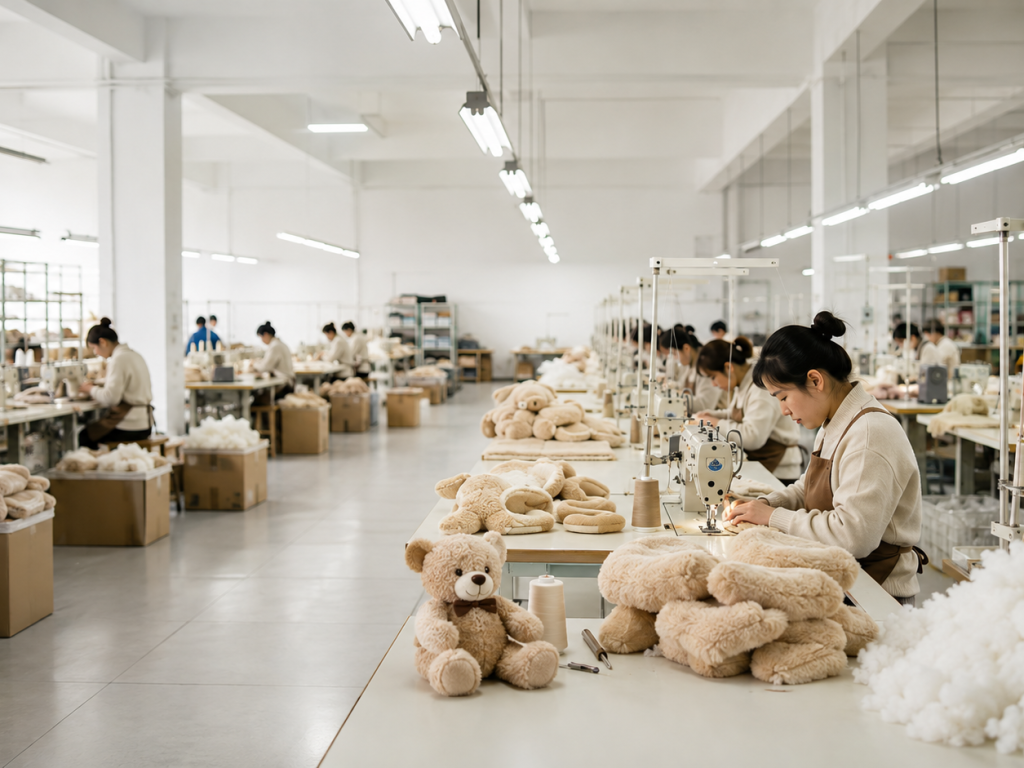
A Toy Plush Factory for Custom Plush Designs can support customers in many international markets.
Custom plush products can be developed for:
- North America
- Europe
- Asia
- Australia
- South America
- Middle Eastern markets
- Global e-commerce businesses
Each market may have different consumer preferences and product regulations.
A manufacturer with international experience may be able to help customers understand common production requirements, although businesses should confirm applicable legal and safety requirements for their specific destination market.
Trends in Custom Plush Toy Design
The plush toy market continues to evolve as brands explore new ways to connect with consumers.
Character-driven products remain important, while businesses are also exploring collectible designs, personalized plush toys, eco-conscious materials, interactive concepts, and limited-edition products.
A Toy Plush Factory for Custom Plush Designs can help brands experiment with different concepts.
Some emerging directions include:
- Personalized character plushies
- Mini collectible plush toys
- Brand mascot plushies
- Environmentally conscious materials
- Limited-edition products
- Seasonal plush collections
- Educational plush characters
- Plush merchandise for digital characters
The ability to adapt designs quickly can be valuable for brands operating in fast-moving markets.
Sustainable Plush Toy Manufacturing
Sustainability is becoming an increasingly important consideration for many brands.
A Toy Plush Factory for Custom Plush Designs may offer materials such as recycled polyester or other alternative fabrics depending on availability and product requirements.
Sustainable manufacturing can also involve:
- Reducing fabric waste
- Optimizing patterns
- Improving packaging efficiency
- Reducing unnecessary packaging
- Using durable materials
- Improving production efficiency
However, businesses should ask for specific material information and documentation when sustainability claims are important to their product positioning.
Why Experience Matters in Custom Plush Manufacturing
Custom plush production combines creative interpretation with technical manufacturing.
A factory may receive an attractive character illustration, but turning it into a physical plush toy requires practical knowledge.
An experienced Toy Plush Factory for Custom Plush Designs understands how to simplify difficult shapes, choose suitable materials, create effective patterns, and reproduce important visual details.
Experience can also help reduce unnecessary sample revisions.
For businesses launching a new product, this can save both time and development costs.
Building a Long-Term Partnership With a Plush Factory
For brands planning multiple product launches, a long-term relationship with a Toy Plush Factory for Custom Plush Designs can provide several practical benefits.
Once a factory understands a brand’s preferred materials, dimensions, packaging style, quality standards, and communication process, future projects may become easier to manage.
A long-term manufacturing relationship can also support:
- Consistent product quality
- Repeat production
- New character development
- Product line expansion
- Packaging consistency
- Improved communication
- Faster project coordination
For growing brands, this can be more valuable than working with a different supplier for every project.
If you need plush toys or other services, please contact us!
Email: meng@wanroutoy.com
WhatsApp: +86 15227096178
Phone:+86 15127203823
Facebook: https://www.facebook.com/profile.php?id=61592234474894
Conclusion
A Toy Plush Factory for Custom Plush Designs provides businesses with the manufacturing expertise needed to transform creative concepts into physical plush products. From the first design review to pattern development, sampling, material selection, sewing, embroidery, filling, quality inspection, and packaging, every stage contributes to the final product.
Custom plush toys can support many applications, including children’s products, retail collections, brand promotion, character merchandise, educational products, promotional campaigns, and collectibles.
Choosing the right Toy Plush Factory for Custom Plush Designs requires attention to manufacturing experience, design capabilities, material options, customization services, quality control, production capacity, packaging, communication, and applicable safety requirements.
The development process should begin with a clear concept and continue through careful sampling and approval. A well-developed prototype allows businesses to identify design issues before mass production.
For brands that want distinctive products, custom plush manufacturing offers the flexibility to create unique shapes, colors, sizes, facial details, accessories, labels, and packaging. With the right manufacturing partner, a simple character concept can become a recognizable physical product.
As the global plush toy market continues to develop, businesses can use custom plush products to build stronger brand identities, expand product lines, and create memorable merchandise. Working with an experienced Toy Plush Factory for Custom Plush Designs can help make that process more organized, efficient, and commercially practical.
FAQ
What can a Toy Plush Factory for Custom Plush Designs create?
A Toy Plush Factory for Custom Plush Designs can create customized stuffed animals, character plush toys, mascot plushies, promotional plush products, collectible plush toys, pillows, mini plush keychains, and other fabric-based products according to customer designs.
Can I create a plush toy from my own character design?
Yes. Customers can usually provide sketches, illustrations, character sheets, logos, or other references. The Toy Plush Factory for Custom Plush Designs can convert the artwork into patterns and develop a physical sample for approval before mass production.
What materials can be used for custom plush toys?
Common materials include polyester plush, short-pile fabric, long-pile fabric, velboa, minky-style materials, fleece, and other suitable fabrics. The appropriate material depends on the desired appearance, texture, durability, product requirements, and target market.
Can a Toy Plush Factory for Custom Plush Designs provide custom packaging?
Yes. Depending on the factory’s capabilities, custom packaging may include polybags, printed bags, paper boxes, window boxes, gift boxes, hang tags, labels, and custom cartons. Packaging can be designed around the brand and retail requirements.
How do I start a custom plush toy project?
Start by providing your character artwork, desired size, materials, colors, intended application, target market, quantity, and packaging requirements. The Toy Plush Factory for Custom Plush Designs can review the concept, develop a sample, make revisions based on feedback, and proceed to mass production after the final design is approved.